What science says may be the best diet for your heart
A VCU Health dietitian’s tips on incorporating the Mediterranean diet into your busy life.
January 14, 2026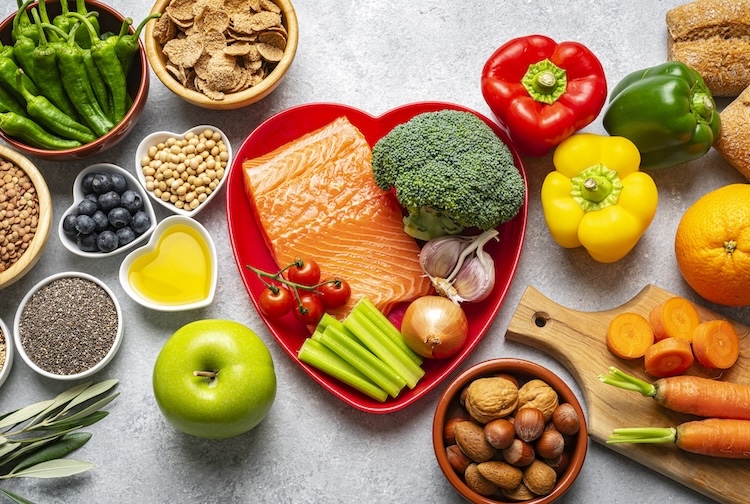 The Mediterranean diet focuses on plant-based foods and olive oil, with moderate amounts of dairy, poultry and fish. (Getty Images)
By Tanner Lambson
Fad diets come and go, promising to help your heart and every other part of your body. But did you know a diet that’s been around since the 1950s has been shown to improve your heart’s health? It’s more than just a fad; it’s also supported by more than half a century of research.
The Mediterranean diet is based on millennia-old food practices from regions surrounding the Mediterranean Sea.
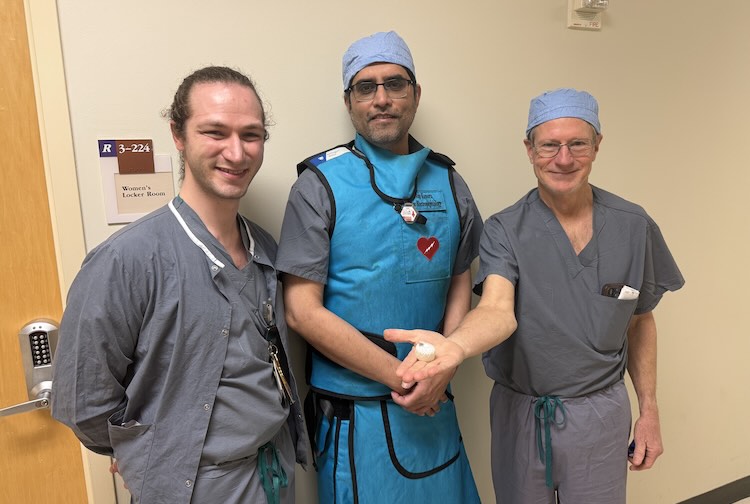
Benjamin Sizemore, RD-CNSC, a dietitian at VCU Health Pauley Heart Center, helps heart transplant patients prepare through nutrition before surgery and supports their recovery post-operation by facilitating heart-healthy eating habits.
“The Mediterranean diet is something I can safely recommend to nearly anyone who is trying to be just that much more heart healthy. Its record and effectiveness have been demonstrated time and again, and it’s only a matter of recommending simple changes,” Sizemore said.
We recently sat down with Sizemore to talk through the details of the Mediterranean diet — what it involves, why it works and how you can incorporate it into your lifestyle.
What is the Mediterranean diet, and how does it differ from other heart-healthy diets?
The Mediterranean diet originates from countries surrounding the Mediterranean Sea, such as Spain, Italy, Greece and Turkey. You can think of what is shared in the diets of these countries to get a general idea of what the diet is (hint: it’s not just pasta).
Essentially, the Mediterranean diet emphasizes minimally processed, plant-based foods and healthy fats — especially olive oil.
Foods on the Mediterranean diet include:
- Fruits, vegetables, whole grains, legumes, nuts and seeds
- Moderate amounts of fish, poultry, eggs and dairy
- Limited red meat and processed foods
- Optional moderate wine consumption with meals
Compared to traditional heart-healthy diets, the Mediterranean diet does not strictly limit sodium or alcohol, though it naturally reduces salt intake through whole foods.
If you’re worried about losing your comfort foods — no stress! A few simple changes can make your meal more in line with the diet without sacrificing flavor. Try swapping white rice for brown rice, using olive oil instead of butter or lard, and choosing whole foods over packaged ones.
What makes the Mediterranean diet beneficial for heart health?
The diet’s unsaturated fats — from olive oil, fatty fish, nuts, and seeds — help raise HDL ("good") cholesterol and lower LDL ("bad") cholesterol. The diet also reduces inflammation, stabilizes blood sugar and supports weight management. Its high fiber content helps remove cholesterol from the body and promotes gut health.
Are there studies that support the benefits of the Mediterranean diet?
Yes. One landmark study is the PREDIMED trial, which involved over 7,000 participants at high cardiovascular risk. It found that those following a Mediterranean diet supplemented with extra-virgin olive oil or nuts had a 30% lower risk of major cardiovascular events compared to those on a low-fat diet.
Another comprehensive review of 45 prospective studies confirmed that following the Mediterranean diet is associated with clinically meaningful reductions in coronary heart disease, stroke and overall cardiovascular disease.
What are some easy first steps to follow the Mediterranean diet?
I recommend starting small. Just one change can go a long way. Big changes, like changing the way you eat, aren’t going to happen overnight. It’s going to be a long process, and we want to make sure that we are promoting a lifelong habit. With that said, there are a few easy things you can do right away:
- Swap butter for olive oil
- Add a whole grain to one meal per day
- Choose fish instead of red meat once a week
Then, when you’re consistently practicing your first change, you can add another. Gradual, sustainable changes like these are key to long-term sustainability.
I’ll also note — don’t try to change everything at once. It's not sustainable to immediately switch from eating whatever you want to buying a bunch of heart-healthy food you aren’t used to. To start, just focus on one small, easy change at a time.
Can you really eat pasta and drink wine and still be heart-healthy?
Yes, you can eat pasta and drink wine in moderation on this diet. Whole grain or legume-based pastas are preferred, and wine should be limited to one drink per day for women and two for men, though newer research suggests even less may be optimal. Importantly, if you don’t drink, there’s no need to start.
Can the Mediterranean diet be adapted for people with dietary restrictions?
In terms of gluten and dairy restrictions, there's a lot of good gluten free, high fiber whole grains that can be incorporated into the Mediterranean diet, like brown rice, quinoa, millet, sorghum and amaranth, just to name a few. Dairy is optional on this diet, so those with allergies or intolerances can easily avoid it.
What about people with busy lifestyles or who eat out often?
Preparation is key. Many people usually think of food only when they're hungry, and that often leads to less-than-optimal choices. If you're running around, you don't always have time to think about choosing the best meal for yourself. Trying to be as prepared as possible can be a good thing, like carrying nuts or dried fruits as a snack.
If you eat out often, look for the food that is the least processed. Choosing a meal with the most whole grains or the food that is the least processed is an easy way to start to incorporate a more Mediterranean style of eating into your diet.
What resources are available at VCU Health to help patients adopt this diet?
The Nutrition Clinic at VCU Health offers personalized support. Patients can ask their cardiologist or primary care provider for a referral to the VCU Health Nutrition Clinic.
When you come to the clinic, registered dietitians spend time with you to learn about your eating behaviors and food choices. Then, they develop tailored education plans to help you make the smartest choices, one small step at a time. Our dietitians can also help you set benchmarks to gauge your progress and provide tips, strategies and support to reach your goals.
How important is lifestyle in the success of the Mediterranean diet?
Lifestyle is very important. When we think of the Mediterranean region, we generally think of that slower pace of life with less stress than what we might experience in the United States. These are not always factors that we can control, but we do have more control over the foods we eat. In fact, a recent study showed that the Mediterranean diet does improve a lot of health markers even if an individual isn’t exercising or reducing calories. This shows us that diet alone is a big factor in heart health.
Stay informed, stay healthy. Sign up for VCU Health’s e-mail newsletter.