An ounce of prevention might be the best gift this holiday season
In a Richmond Times-Dispatch op-ed, VCU Health infectious disease doctors highlight the importance of taking ‘extra effort’ to protect against respiratory illnesses.
December 12, 2025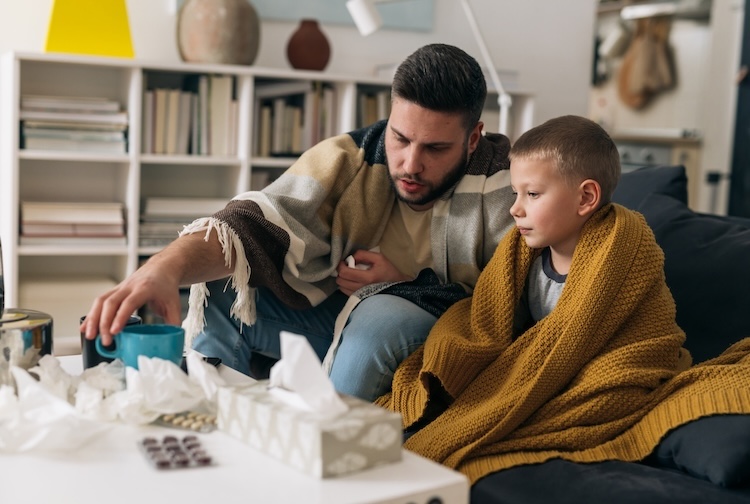 Medical experts say there tends to be an increase in respiratory illnesses reported in January and February. (Getty Images)
By Sara McCloskey-Nieves
It’s the season of giving, and we’re not just talking about presents.
Winter is typically when influenza (flu), COVID-19 and respiratory syncytial virus (RSV) make the rounds in schools, workplaces and holiday parties.
Members of VCU Health’s infectious disease team – Michelle Doll, M.D., MPH, Patrick Ching, M.D., MPH, and Gonzalo Bearman, M.D., MPH – recently penned an editorial for the Richmond Times-Dispatch that reminds the community of the best ways to prevent respiratory illnesses.
“Even though safe and effective preventive measures are available, not everyone takes advantage of them. Most of the preventive strategies require a specific action – whether getting a vaccine or diligently washing hands, these interventions all take an extra effort,” they shared in the editorial. “We do prevention not because we believe we are going to be seriously sick this year, but as insurance that we will have the least burden of illness possible, because we are all too busy to get sick.”
Another way these doctors suggest you think about it: Why do we wear seatbelts? We don’t think we’re going to get into a car crash, but if we do, we want to be protected.
How to best protect yourself from respiratory illnesses
Immunizations are still the best proven way to protect against getting severely sick. Flu and COVID-19 vaccines have been available for several years and are updated annually to better protect you from the specific variants currently circulating in the community.
RSV vaccines are being recommended for adults 60 and over as well as pregnant people, who can pass immunity to the virus to their newborns. Another medication was developed specifically for babies and toddlers that provides temporary immunity for several months.
Here are more tips to protect yourself from respiratory illnesses:
- Wash your hands often with soap and water for at least 20 to 30 seconds.
- Avoid touching your eyes and mouth as much as possible.
- If you are sick, stay home. Try to avoid contact with others as much as possible.
- Use tissue paper or your upper sleeve to cover your cough and sneeze.
- Consider wearing masks, particularly if you are in a crowded public place (like a public bus or train) or if you're around others who may be sick or at high risk of getting really sick.
If you have any questions, do not hesitate to talk to your primary care provider about voluntary vaccinations, medications and other ways to keep you and your loved ones safe over the holidays.