Why does my stomach hurt on a GLP-1?
VCU Health expert shares tips for mitigating side effects from weight loss drugs.
January 22, 2026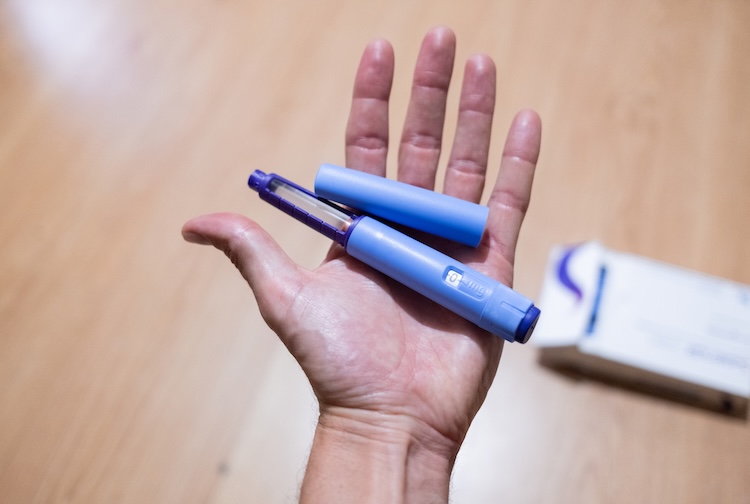 Glucagon-like peptide-1 (GLP-1) receptor agonists are medications that mimic the action of a natural hormone that is released from the gut after eating. These medications are used to treat diabetes and obesity. (Getty Images)
By Leigh Farmer
We’ve heard and likely seen the great success people have on GLP-1s. But here’s what we don’t talk about – most people quit them.
One recent study clocked a 64% discontinuation rate after one year. After two years, it climbed to 84%. And while the study didn’t give exact reasons, the cost of the medication and side effects are likely high on the list.
GLP-1 receptor agonists – such as brand-named drugs Wegovy and Zepbound – have been game changers for lots of people looking to lose weight. But Susan Wolver, M.D., medical director of the VCU Health Medical Weight Loss Program, warns that this treatment isn’t for everyone, because once you are on a GLP-1, there is a high probability of gaining weight back after going off them.
 Susan Wolver, M.D., is the medical director of the VCU Health Medical Weight Loss Program. (Enterprise Marketing and Communications)
And then, there are side effects.
Wolver says managing side effects is often a careful balancing act.
“You have reduction in appetite, cravings and weight loss on one side,” she said, “and on the other side you have side effects and the ability to eat enough good food.”
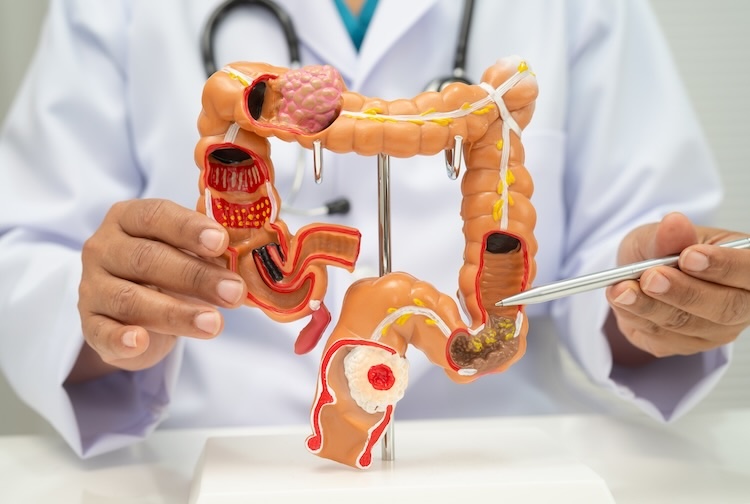
Up to 40% of patients experience gastrointestinal (GI) side effects, but it can vary based on the dose and type of drug you’re taking. Nausea is typically the most common, however, vomiting, diarrhea and constipation are all vying for a close second.
Understanding the side effects can help mitigate them
How weight loss drugs make you feel must be monitored closely by a physician. Wolver checks in monthly until patients are at a stable dose. Discussing your symptoms can help doctors correctly adjust dosage and manage side effects. If you don’t do this, side effects can be very bothersome.
GLP-1s help to curb your appetite and quiet the food noise. As you progress on the medication, you might need to pull back.
“If your dose is too high, you may have no hunger signal at all and you have to set timers to eat,” Wolver said.
It’s important that you get enough nutrition. Wolver also recommends taking a multi-vitamin to ensure you are getting enough vitamins because your diet and how much you eat can change.
Often nausea is an issue. Doctors can prescribe a pill to help with that symptom, however, Wolver says, “if you need an anti-nausea medicine more than a couple of days after a dose adjustment, we would not recommend that you continue on that particular dose or possibly that medication.” In the GLP-1 world, there are now several different options. Another one may fit you better.
Nausea and constipation often happen for the same reason.
“One of the mechanisms of action that the drug produces is slowing the food that goes through your digestive tract,” Wolver said, adding that this is why you feel fuller, longer but also why you may have constipation.
You also aren’t as thirsty on these medications.
“A lot of people develop constipation because it really reduces not only your hunger but your thirst, so people aren’t drinking as much,” Wolver said.
Tips to avoid being uncomfortable during a meal on a GLP-1
While your friends and family may begin to see the glorious weight loss from these drugs, what they likely won’t see is that you are burping and passing gas a bit more frequently.
There is some general advice that Wolver provides to her patients if they are having digestive side effects:
- Eat slowly, in smaller portions and avoid laying down after a meal.
- Avoid using a straw. It can add more air to your stomach.
- Consider lowering the fat content of your food.
- Stay away from spicy food.
- Reduce sweets.
- Don’t eat and drink at the same time – eat first, then drink.
- If your stomach is upset, foods with more liquid in them can help (yogurt, soups, etc.)
“Studies show that most people stop these medications within a year,” Wolver said.
That’s due, at least in part, to the side effects.
Remember to stay in close contact with your doctor. They can help you mitigate any symptoms you may have and keep you on the right track. The more you know, Wolver says, the more successful you will be on your weight loss journey.
How do you maintain weight loss from a GLP-1? Read more.
Your health matters. Sign up for updates and tips from our VCU Health care team today.