What this Virginia doctor wants you to know about river safety
Before you hit the water, an emergency medicine physician from VCU Medical Center has advice that could save your life.
May 20, 2026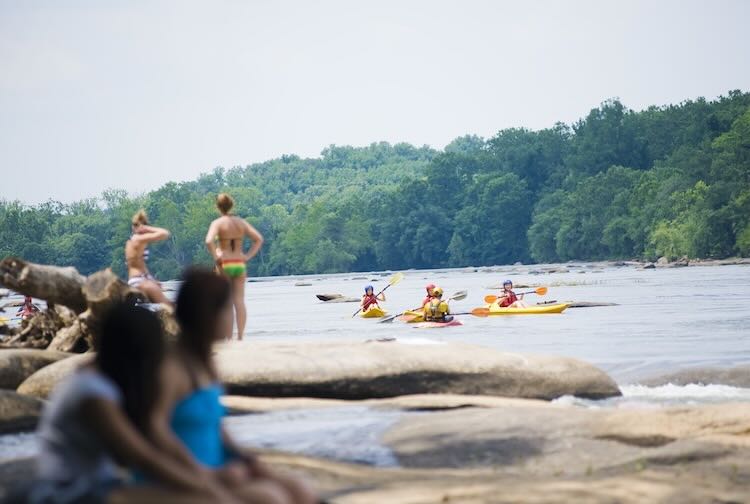 People who are injured on the James River in the Richmond area are often taken to the Level I trauma center at VCU Medical Center. (Enterprise Marketing and Communications)
By Sara McCloskey-Nieves
The James River’s Class IV rapids in the heart of Virginia’s capital city are a popular attraction for outdoor enthusiasts.
But those exhilarating, rough waters come with hazards.
“People who are comfortable wading or floating in calm sections may underestimate how quickly Class IV water can overpower even strong swimmers,” said Michael Vitto, DO, chief of the Department of Emergency Medicine at VCU Medical Center. “Class IV rapids on the James River can be hazardous without proper skills, gear and judgment.”
Those injured on the water are often rushed to VCU Medical Center in downtown Richmond – the only Level I trauma center in the region. Vitto is one of the emergency medicine physicians who oversees their care.
When the weather starts to warm up and school is out for summer, Vitto says more patients are admitted to the hospital with traumatic injuries from the river – many of which could be prevented. 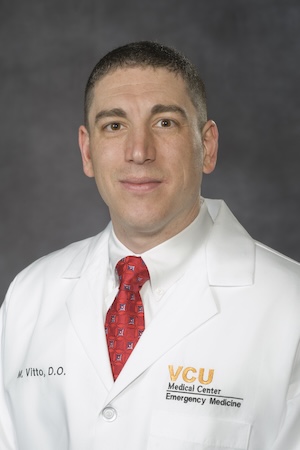 Michael Vitto, DO, chief of the Department of Emergency Medicine at VCU Medical Center. (Enterprise Marketing and Communications)
“Injury prevention is a community effort. Clear signage, public education and local culture around life jackets and helmets all reduce injuries,” Vitto said. “When people see safety as ‘normal,’ they are more likely to make good choices.”
VCU Health News asked Vitto what he wished people knew before setting their sights on the river.
What are the most common river-related injuries treated at VCU Medical Center?
Our team at VCU Medical Center treats a wide variety of injuries from the river – everything from blunt trauma after a kayaker is pinned or falls against rocks to hikers or swimmers spraining their ankles or wrists from slipping on wet rocks.
There is always a risk of drowning and near-drowning, which can cause serious lung injuries and delayed complications. We also often treat patients with serious spinal cord injuries from diving into shallow water or from their feet getting trapped while a strong current bends their body. Other common injuries include heat-related illnesses, insect bites and alcohol‑related injuries.
Because residents and visitors spend significant time by the river, they might not realize that the rapids can be a hazard. Are Class IV rapids, like the ones in the James River in Richmond, dangerous?
Class IV rapids are intense and powerful. They require precise boat handling, fast maneuvers and reliable self‑rescue skills.
The consequences of mistakes can be significant. Class IV rapids have strong and turbulent currents that can hold or flip swimmers and boats. There are rocks and ledges that can cause blunt trauma or trap someone in a tight area. Debris (trees, branches or trash) can pin a swimmer underwater.
Because these injuries happen on the water, is anything you take into consideration that might be different from other traumatic injuries?
Even if a patient is awake and talking, they may have water in their lungs which can cause delayed pulmonary edema – a life-threatening condition – and respiratory distress hours later.
A patient is at risk of hypothermia if they are in cooler water for a long period of time, which can lower their core body temperature.
There is also a high risk of infection if a patient has deep cuts, puncture wounds or open fractures because the river water has bacteria, parasites and mud.
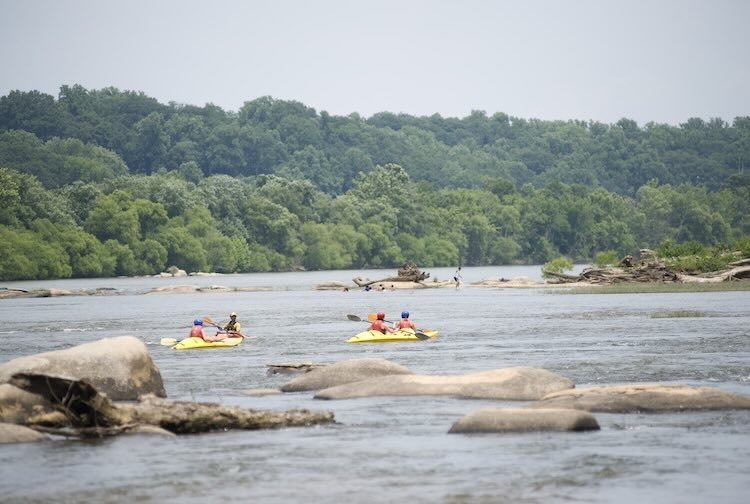 The James River, which runs through the City of Richmond, has Class IV rapids. (Enterprise Marketing and Communications)
When should I seek emergency medical care after an incident on the river?
If you or someone else is in trouble on the river, especially in rapids, it’s always safer to err on the side of caution and see a medical professional.
In general, medical care is warranted if you or another person is having trouble breathing or experiencing signs of shock, delirium or confusion.
What safety precautions should I take before enjoying a day on the James River?
There are several precautions you can take before getting into the water that can make sure you and your group are safe, such as:
- Familiarize yourself with the river conditions including the water level, currents and recent rainfall. Even low water levels can be dangerous and submersion or drowning can occur.
- Wear proper safety gear including a life jacket, helmet and appropriate footwear with good traction.
- Learn basic swiftwater safety like how to swim in rapids, how to avoid strainers (downed trees, debris) and how to self‑rescue.
- Always respect closures and warning signs. If local safety officials don’t think it’s safe to be in that area, pay attention and heed their warning.
If you are enjoying the river – make good choices. That includes avoiding alcohol or drugs when on or near the water. Being intoxicated impairs your judgment and reaction time. Also, always supervise children closely and keep them in life jackets near the river.
What do you wish people knew before going to a river with strong rapids or when it is experiencing high water levels?
The river you “know” is not the same river with high water. The river’s features change, currents strengthen and rescues become harder.
A rapid that feels playful at normal flow can become extremely dangerous when water levels rise. Even excellent swimmers are quickly overwhelmed by hydraulics, cold water, downed trees and debris in Class IV rapids. The combination of overconfidence, alcohol, no life jackets and high water is especially dangerous.
If something feels off, speak up. If the water looks higher than usual and your group seems under-skilled or if someone is intoxicated, choosing not to launch is often the decision that prevents the call to 911.