Cholesterol 101: Why knowing your levels matters
A VCU Health Pauley Heart Center specialist explains the ins and outs of cholesterol – and how you can lower your levels with a few changes to your routine.
May 21, 2026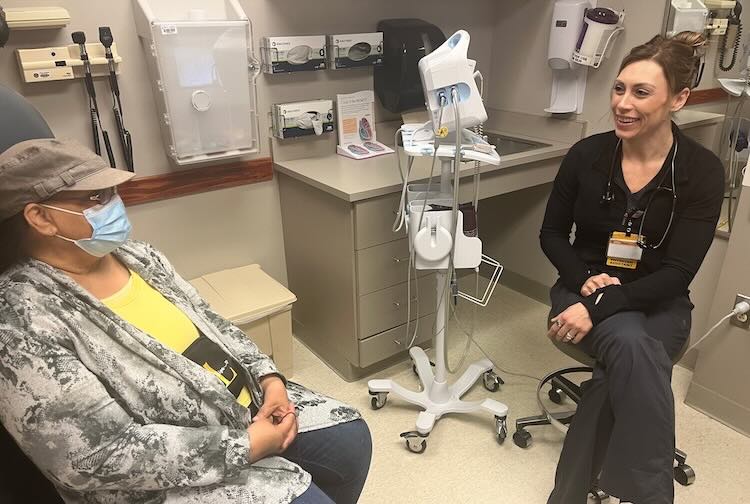 VCU Health Pauley Heart Center’s Emelia Vanderburg Hanners is a physician assistant who specializes in preventive cardiology care. (Tanner Lambson, VCU Health Pauley Heart Center)
By Tanner Lambson and Liz Torrey
It’s estimated that 1 in 4 Americans have high levels of the “bad” type of cholesterol, also known as low-density lipoprotein (LDL) cholesterol.
Most of us know that high cholesterol is a bad thing. But how many know why?
“LDL cholesterol contributes to heart disease by accumulating along artery walls and forming plaque. Over time, plaque buildup can narrow blood vessels and reduce blood flow, which may cause symptoms such as chest pain,” said Emelia Vanderburg Hanners, PA. “Heart attacks occur when plaque breaks and abruptly blocks blood flow to the heart.”
We spoke with Vanderburg Hanners, who provides preventive cardiology care at the VCU Health Pauley Heart Center, to understand what makes cholesterol good or bad, and what the new guidelines mean for your heart’s health.
What is cholesterol?
Cholesterol is a waxy substance found in cells in the body and blood. It helps produce hormones, builds cell membranes and aids in digestion.
Interestingly, the body produces the cholesterol it needs for normal cellular and hormonal function; any additional cholesterol is obtained through the foods you consume.
What is the difference between LDL and HDL cholesterol?
Low-density lipoprotein (LDL) cholesterol is commonly referred to as “bad” cholesterol because it contributes to plaque formation in the arteries and leads to atherosclerosis (the buildup of plaque over time). Elevated LDL levels may result from genetics, a high-fat diet, a sedentary lifestyle, obesity or other risk factors.
On the other hand, high-density lipoprotein (HDL) cholesterol serves a protective role. It helps transport excess cholesterol from the bloodstream back to the liver, where it can be processed and removed. This is why HDL is often called “good” cholesterol.
How often should I have my cholesterol checked? What does a cholesterol check measure?
A cholesterol check, also known as a lipid panel, measures the amount of LDL and HDL cholesterol and triglycerides in your blood. These numbers help monitor your cardiovascular risk and guide treatment decisions.
If you see a primary care provider each year for an annual physical, you will typically have your cholesterol checked as part of the bloodwork done. People with known heart disease often require more frequent testing.
In general, total cholesterol is considered optimal when it is below 200 mg/dL, with an LDL cholesterol level below 100 mg/dL. Target levels may differ for patients with higher cardiovascular risk.
What lifestyle changes are most effective for improving cholesterol and heart health?
Lifestyle modifications can lead to meaningful cholesterol improvements within a relatively short time frame (three months or less). The two most effective changes for improving cholesterol and heart health are diet and exercise.
Foods high in saturated fats, such as red meat and full fat dairy products, are among the biggest dietary contributors to elevated LDL cholesterol. The Mediterranean diet has demonstrated consistent benefits for lowering LDL cholesterol and reducing inflammation. This eating pattern emphasizes plant-based foods, healthy fats and lean protein.
Exercise is equally important. The general recommendation is at least 150 minutes per week of moderate-intensity physical activity, but even small amounts of exercise are better than being sedentary. Walking is an excellent way to get daily exercise.
When do medications like statins become necessary, and how do they work?
Statins are an oral medication that lowers LDL cholesterol and have an anti-inflammatory effect. Statins are recommended for individuals at elevated cardiovascular risk, such as patients with diabetes, and for anyone who has experienced a cardiovascular event, such as a heart attack or stroke.
This medication works by reducing a key enzyme involved in cholesterol production. In most cases, statins are used long term, but patients who make significant lifestyle changes may be able to discontinue statins under medical supervision.
What steps should someone take if they are concerned about their cholesterol? At what point should I see a doctor about my cholesterol?
Knowing your cholesterol numbers, adopting a heart-healthy diet and maintaining regular physical activity are foundational steps to heart health, regardless of prior heart disease.
You may benefit from specialty consultation with a cardiologist if you are seeking a deeper understanding of your personal cardiovascular risk. If you have known risk factors for heart disease, such as smoking, or a family history of heart disease, then it is important to talk to your provider about how you can minimize long-term risk. You should see a cardiologist for cholesterol management if you know you:
- Can't tolerate statins
- Need advanced lipid-lowering therapies
- Have a family history of hypercholesterolemia, a genetic condition that causes high cholesterol
Patients should also see a cardiologist if they have very high LDL, severely elevated triglycerides or high lipoprotein (a).
- Triglycerides are measured as part of a standard lipid panel. Like cholesterol, triglycerides are fats found in the bloodstream that often reflect dietary intake. They come particularly from high-fat foods and refined carbohydrates. Extremely elevated triglyceride levels increase the risk of heart disease and can also lead to other serious complications, such as pancreatitis.
- Lipoprotein (a), also known as Lp (a), is a specific type of LDL. Your level of Lp (a) is genetically determined, and having a higher level of Lp (a) can put you at an even higher risk for heart attack and stroke. Lp (a) testing is not part of a standard lipid panel. The current guidelines recommend everyone have their Lp (a) tested at least once in their lifetime.
At the Pauley Heart Center, we consult with and treat patients in all these areas of concern.
What should I talk about with a doctor during a cholesterol visit?
Be sure to ask your provider to explain what each value in a lipid panel means and what your specific target levels are. Ask your provider what lifestyle changes and/or medications might benefit you most. If you are at borderline risk for certain types of heart disease, your provider may order further tests to assess the presence of existing plaque.
Your provider should outline individual risk factors, potential benefits of therapy, and associated risks, but ultimately, treatment decisions rest with you, the patient.
Your health matters. Sign up for updates and tips from our VCU Health care team today.