Amyloidosis treatments: Heart specialist shares insights on the latest advancements and research
VCU Health’s amyloidosis clinic is improving access to new therapies for people with a condition that is often misdiagnosed.
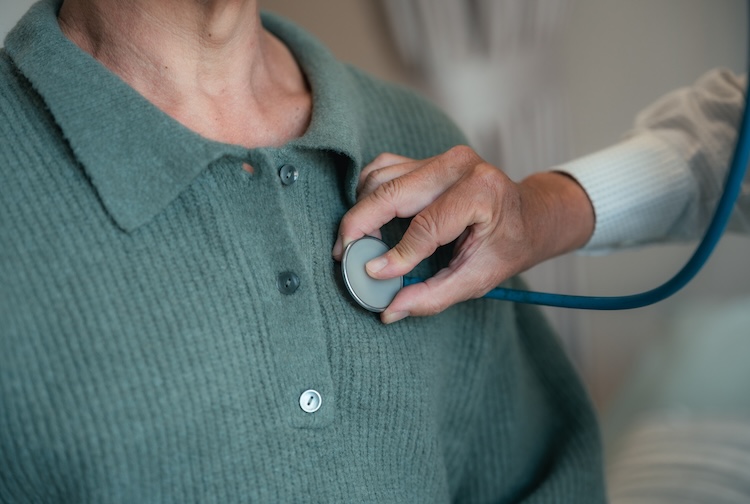
September 02, 2026 VCU Health Pauley Heart Center is home to one of the largest amyloidosis clinics in the Mid-Atlantic. (Getty Images)
By Liz Torrey
Advancements in diagnostic methods and therapies are rewriting what the medical community knows about amyloidosis — a condition that causes organs throughout the body to stiffen and not work properly.
Once thought of as a rare disease that often went undiagnosed, today, doctors and researchers are identifying more people with amyloidosis and finding innovative ways to treat them.
But it’s still difficult to find heart doctors who specialize in cardiac amyloidosis. Fortunately, VCU Health Pauley Heart Center is home to the only cardiac amyloidosis clinic in Virginia. And since the clinic is a leading site for clinical trials, patients have access to the latest medications available.
“We have the full array of diagnostic tools and treatment options available to patients, regardless of where they are in their disease process,” said Keyur Shah, M.D., chair of cardiology at VCU Health Pauley Heart Center and the head of cardiac amyloidosis clinic. “Through the clinical trials available here, our patients have access to new innovative therapies earlier than most patients around the country.
VCU Health News spoke with Shah about the advancements in amyloidosis treatment and research and the comprehensive support system available to VCU Health patients with cardiac amyloidosis.
What is cardiac amyloidosis?
Amyloidosis is a disease caused by the buildup of a protein called amyloid that has misfolded and clumped together throughout the body. Amyloidosis can affect many organs; when amyloidosis is found in the heart, we call it cardiac amyloidosis.
Amyloid deposits in the heart stiffen the heart muscle so that the heart can’t pump properly. Over time, this leads to irregular heartbeats, valve disease and heart failure.
The three most common types of amyloidosis that affect the heart are light chain (AL) amyloidosis, wild-type transthyretin amyloidosis (wild-type ATTR) and hereditary transthyretin amyloidosis (hereditary ATTR).
Why is early detection important for cardiac amyloidosis patients?
Early detection is important because available therapies halt the progression of amyloidosis, but do not reverse its damage. If you or anyone in your family is diagnosed with hereditary ATTR, other family members should be screened for the disease as well. Early detection of ATTR amyloidosis can allow patients to remain stable for years and dramatically improve their health.
For AL amyloidosis, getting a diagnosis is critical to survival. Once the heart is affected by AL amyloidosis, survival time is six months if it goes untreated.
Medications traditionally used to treat congestive heart failure often don’t work well for patients with amyloidosis. If these patients are not accurately diagnosed, they may be taking medications that make them feel worse.
Cardiac amyloidosis often went undiagnosed before non-invasive imaging techniques — like echocardiograms, nuclear imaging and cardiac MRI — were developed to help identify patients with this condition. Amyloidosis symptoms were blamed on high blood pressure, diabetes or lifestyle factors, and patients were labeled as difficult to treat or unresponsive to therapies because providers were treating the wrong disease.
What are the current treatment options for cardiac amyloidosis?
Treatments for AL amyloidosis will include medication, chemotherapy and sometimes bone marrow transplant.
There are two types of medication federally approved to treat both wild-type and hereditary ATTR amyloidosis: stabilizers and silencers.
- Stabilizers reinforce TTR proteins, making sure that they don’t lose their shape. Today, there are two federally-approved medications — tafamidis and acoramidis — that help stabilize TTR, helping prevent new amyloid formation.
- Silencers tell the body to stop making TTR in the first place. In 2025, the FDA approved the silencer vutrisiran, which reduces TTR production in the liver. There are several new silencers currently being tested in clinical trials.
Additionally, patients with advanced cardiac amyloidosis may require a heart transplant.
Are amyloidosis clinical trials happening at VCU Health Pauley Heart Center?
Yes, Pauley patients have access to clinical trials testing several new treatments for cardiac amyloidosis. These clinical trials include:
Silencer clinical trials for amyloidosis:
- TRITON-CM: This clinical trial is studying the effectiveness of nucresiran, an injectable treatment that targets the RNA that instructs the liver to make the transthyretin protein and reduces that production.
- MAGNITUDE: Researchers are evaluating the effectiveness of a one-time infusion that permanently “turns off” the transthyretin protein gene.
Preventive clinical trials for amyloidosis:
- ACT-EARLY: This study aims to determine whether or not the stabilizer medication acoramidis can prevent amyloidosis from developing in patients who are carrying the gene mutation that causes hereditary ATTR, but who have not yet developed the disease.
Along with evaluating the effectiveness of different types of stabilizers and silencers, a promising new amyloidosis treatment being tested at the Pauley Heart Center is called a depleter, which aims to remove existing amyloid deposits from heart tissue. No depleter medications are currently approved for use by the U.S. Food and Drug Administration.
Depleter clinical trials for amyloidosis:
- CLEOPATTRA and DEPLETTER: Monthly infusions of coramitug are being evaluated to see how effective they are at removing existing amyloid deposits from the body.
What makes VCU Health Pauley Heart Center a leader in amyloidosis care?
VCU Health Pauley Heart Center is home to one of the largest amyloidosis clinics in the Mid-Atlantic, offering patients the comprehensive, interdisciplinary support they need to save their lives.
Our cardiac amyloidosis clinic is also one of the leading clinical trial enrollment centers in the nation, meaning our patients have access to innovative therapies earlier than most patients around the country.
If you have concerns about your heart health or feel you might be at risk for cardiac amyloidosis, reach out to our team to make an appointment today.
Stay informed, stay healthy. Sign up for VCU Health’s e-mail newsletter.