What is cardiac amyloidosis? Heart specialist answers questions about symptoms and testing
Cardiac amyloidosis is often mistaken for other heart conditions. The head of VCU Health Pauley Heart Center’s cardiac amyloidosis clinic shares early warning signs of the disease.
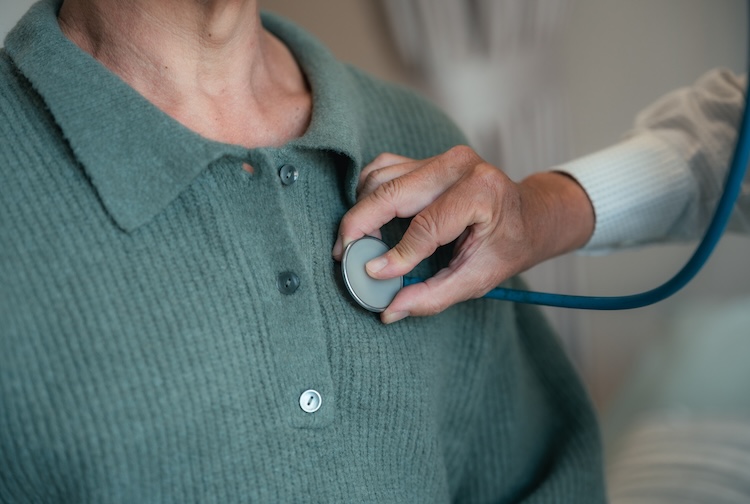
July 22, 2026 VCU Health and the Pauley Heart Center are home to one of the largest amyloidosis clinics in the Mid-Atlantic.(Getty Images)
By Liz Torrey
It’s estimated that one in four people who die of “natural causes” over the age of 80 have buildup in their heart from amyloidosis.
Recent innovations in heart imaging reveal that the condition is more common in the living, too. While it is still considered a rare disease, advanced diagnostic techniques have identified amyloidosis more frequently as an underlying cause of heart failure.
“Prior to the development of the non-invasive diagnostic techniques we can use today, amyloidosis often went undiagnosed,” said Keyur Shah, M.D., interim chair of cardiology and the head of the cardiac amyloidosis clinic at the VCU Health Pauley Heart Center. “Amyloidosis symptoms were blamed on high blood pressure, diabetes or lifestyle factors. Patients were labeled as difficult to treat or unresponsive to therapies because providers were treating the wrong disease.”
VCU Health News spoke with Shah to learn more about cardiac amyloidosis symptoms, risk factors and why the Pauley Heart Center is the best place to come for complex cardiac care in Virginia.
What is amyloidosis?
There are a number of types of amyloidosis. It is a disease caused by the buildup of a protein called amyloid that, for reasons we don’t completely understand yet, has misfolded and clumped together, creating what we call “fibrils.” Amyloidosis can affect many organs: fibrils stick to tissues and organs, stiffening them and reducing their function.
What is cardiac amyloidosis?
When amyloidosis is found in the heart, we call it cardiac amyloidosis. Amyloid deposits in the heart stiffen the heart muscle so that the heart can’t pump properly. Over time, this leads to arrhythmias, valve disease and heart failure. Once amyloid deposits buildup, they’re very hard to remove. This is why early detection and treatment of cardiac amyloidosis are critical.
Which types of amyloidosis affect the heart?
The three types of amyloidosis that most commonly affect the heart are: light chain amyloidosis, wild-type ATTR and hereditary ATTR.
- Light chain (AL) amyloidosis occurs when bone marrow produces too much amyloid protein. AL amyloidosis must be treated quickly with chemotherapy. Once the heart is affected by AL amyloidosis, if left untreated, survival time is six months.
Types of transthyretin (ATTR) amyloidosis are caused by a specific type of protein made by the liver, called the transthyretin (TTR) protein, that can misfold, clump and then stick to other organs in the body. ATTR amyloidosis develops more slowly than AL amyloidosis, and typically affects the nerves and heart.
The two types of ATTR amyloidosis are:
- Wild-type ATTR, or age-related ATTR, happens as the TTR proteins in your body become more unstable with age.
- Hereditary ATTR is caused by an inherited genetic mutation in the TTR protein gene.
Who is most at risk for cardiac amyloidosis?
AL amyloidosis is a rare disease that can occur in adults of any age.
Wild-type ATTR is most commonly diagnosed in people over the age of 70. Studies have shown that one in four people over the age of 80 who die of “natural causes” have ATTR fibrils in their heart tissue.
The most common gene mutation that causes hereditary ATTR in North America originated in West Africa; one in 25 Black Americans carries this mutation. Not everyone who carries this gene will develop amyloidosis, but this gene mutation increases the risk of heart disease. Because of this, doctors are encouraging more genetic testing and earlier treatment in communities at higher risk.
What are early signs of cardiac amyloidosis?
Signs of amyloidosis – particularly ATTR amyloidosis – can look like heart failure. Some symptoms include fatigue, shortness of breath, arrhythmias and thickened heart walls.
Because ATTR amyloidosis can also affect nerves and tendons, “red flag” clues often appear years before heart symptoms. Patients may cycle through multiple specialists before anyone considers amyloidosis.
Non-heart related symptoms considered warning signs of ATTR amyloidosis are:
- Carpal tunnel
- Spinal stenosis
- Trigger finger
- Tendon rupture
- Nerve pain or damage
How is amyloidosis diagnosed?
At Pauley Heart Center, doctors use cardiac imaging tools to diagnose cardiac amyloidosis.
Echocardiograms, nuclear imaging and cardiac MRI are used to take pictures of your heart. We also use EKGs and Holter monitors to diagnose abnormal heart rhythms. Doctors will also look for signs of joint or nerve problems.
If we suspect amyloidosis, we will utilize further scans and lab tests to determine what type of amyloidosis you may have. Some patients may require a biopsy to diagnose the disease.
How is cardiac amyloidosis treated?
There are several different ways we treat patients depending on the type of amyloidosis they have. Treatments for AL amyloidosis will include medication, chemotherapy and sometimes bone marrow transplant. Patients with advanced cardiac amyloidosis may require a heart transplant.
For ATTR amyloidosis, there are medications that can make sure TTR proteins don’t lose their shape or can tell the body to stop making TTR proteins altogether. Clinical trials are also evaluating the effectiveness of a new drug that aims to remove existing amyloid deposits from heart tissue; however, it hasn’t received federal approval yet.
What makes VCU Health Pauley Heart Center a leader in amyloidosis care?
VCU Health and the Pauley Heart Center are home to one of the largest amyloidosis clinics in the Mid-Atlantic. Patients can access the newest therapies and the comprehensive, interdisciplinary support system that is needed to save their lives.
Our clinic has the full array of diagnostic tools and treatment options available to patients, regardless of where they are in their disease process. We also offer genetic testing for hereditary ATTR; I would encourage anyone who has a family member with known hereditary ATTR to get tested themselves.
Patients can also participate in clinical trials for new treatments for amyloidosis, as our cardiac amyloidosis clinic is also one of the leading clinical trial enrollment centers in the nation. Through the clinical trials available here, our patients have access to innovative therapies earlier than most patients around the country.
Your health matters. Sign up for updates and tips from our VCU Health care team today.