What it means to be an ‘Age-Friendly’ provider for older adults
VCU Health’s family medicine clinic at Tanglewood receives a national ‘Age-Friendly’ designation for geriatric care.
June 17, 2026 VCU Health Community Memorial Hospital’s Family Medicine Clinic at Tanglewood recently received a designation as an Age-Friendly Health System Committed to Care Excellence. (Getty Images)
By Shea Wright
As adults age, healthcare needs often become more personal, nuanced and deeply connected to quality of life. While no two patients experience aging the same way, feeling heard, supported and cared for is crucial to every relationship they have with a healthcare provider.
At VCU Health Community Memorial Hospital (CMH)’s Family Medicine Clinic at Tanglewood, providers are placing the patient’s priorities at the center of every conversation. Annual wellness visits for patients 65 and older begin with a specific set of questions that might not be asked at other doctor’s offices or clinics:
- What matters to you the most right now in your health and in your life?
- What medications are you currently taking, and do you have any concerns?
- Have you noticed any changes in your mood or memory since your last check up?
- How is your mobility right now?
The questions are part of the Institute for Healthcare Improvement (IHI)’s evidence-based 4Ms framework – What Matters, Medications, Mentation and Mobility – which helps providers better understand each patient’s healthcare goals and ways to improve their quality of life.
Since implementing the framework last year, family medicine physician Paul Bailey, M.D., has completed more than 800 annual wellness visits, helping the clinic earn the designation as an Age-Friendly Health System Committed to Care Excellence, Level 1 site. CMH’s Family Medicine Clinic at Tanglewood is the only healthcare location with this designation in Southside Virginia.
VCU Health News sat down with Bailey and Kristin Zimmerman, PharmD, BCGP, an associate professor in the Geriatric Pharmacotherapy Program at Virginia Commonwealth University’s School of Pharmacy, a member of the Virginia Geriatric Education Center and lead for the Age-Friendly Health System Coaching Program at VCU, to learn what this new approach means for patients and families.
 Kristin Zimmerman, PharmD, BCGP, is an associate professor in the Geriatric Pharmacotherapy Program at Virginia Commonwealth University’s School of Pharmacy. (VCU School of Pharmacy)
What do annual wellness visits look like for older adults?
Annual wellness visits are yearly preventative checkups with your primary care physician that focus on prevention and monitoring health care. These exams typically are short in duration and include an overview of your vital signs (height, weight and blood pressure), along with diet and exercise.
For adults age 65 and above, annual wellness visits include a cognitive assessment and screenings that help providers understand how safely and independently patients are managing day-to-day activities.
“An annual wellness visit is a preventive care visit available at no cost to all patients. It focuses on long-term health planning rather than treating a specific illness. Most often these visits are underutilized, but they’re incredibly valuable for keeping older patients healthy and independent,” Zimmerman said.
How does the IHI’s 4Ms method change how you interact with patients during annual wellness visits?
According to Bailey, the biggest change is how the team approaches each patient. Every visit starts with asking, “What matters most to you today?” That question helps guide the entire conversation. The Tanglewood team has also extended the length of appointments to about an hour to ensure they have enough time with each patient to look at their medical history, hear concerns and address any changes since their last clinical visit.
“Sometimes a patient comes in thinking they’re doing fine, but through conversation we discover they’ve stopped driving because they can’t see as well as they used to or they’re struggling to keep track of medications after losing a spouse,” Bailey said. “Those are the moments when slowing down and asking the right questions really matters.”
The 4M framework also gives the Tanglewood team flexibility to combine annual wellness visits with a standard medical appointment for patients managing chronic conditions like diabetes or cancer. It allows the team to get more done in one appointment while still covering preventive care thoroughly with the patient.
Why is it so important for older adults to attend their annual wellness visits?
According to the U.S. Centers for Disease Control and Prevention, more than one out of four older adults – aged 65 and up – fall each year, but less than half tell their doctor. Falling once doubles your chances of falling again and is one of the most common concerns providers, like Bailey, are identifying during annual wellness visits, especially among patients managing multiple chronic conditions or medications.
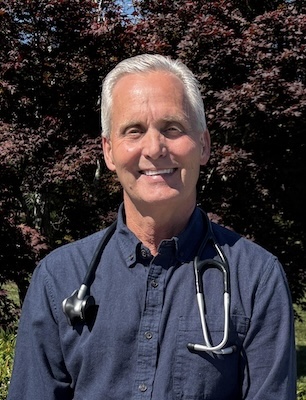 Paul Bailey, M.D., sees patients at VCU Health Community Memorial Hospital’s Family Medicine Clinic at Tanglewood. (Shea Wright, Enterprise Marketing and Communications)
“We’ve seen an uptick in falls this year which results in mobility issues for older patients including hip fractures, traumatic brain injuries, broken bones, and sprains,” Bailey said. “In addition to falls, we look for things like bladder incontinence, memory loss and confusion, metabolic and cardiovascular diseases like diabetes, heart disease and hypertension. We can also pick up on any inconsistencies with managing medications at home.”
Should family members attend annual wellness visits to show support?
There is no one-size-fits-all approach to attending annual well visits with older patients. However, Bailey and Zimmerman agree that having a trusted family member or caregiver can be incredibly beneficial in understanding a person’s normal pattern of behavior and recognize subtle health changes that may become more serious over time.
Zimmerman encourages family members and caregivers to help older loved ones by:
- Removing or discarding expired medications
- Attending appointments when possible, including annual wellness visits
- Having support for mobility and fall prevention
Even a quick conversation with the patient’s primary care provider to share concerns and to celebrate milestones can make a big difference, Bailey added.
“This is why preventive primary care visits often drive the entire healthcare experience,” Bailey said. “We can do so much during a single visit, including identifying risks early so we can manage them proactively.”
What does it mean for CMH’s Family Medicine Clinic at Tanglewood to be designated an “Age-Friendly Health System?”
As Southside Virginia’s population continues to age, Bailey and other providers at Tanglewood hope the 4Ms framework helps patients and their families feel more supported navigating the changes that come with growing older.
The designation creates opportunities to expand age-friendly principles across other service lines and care settings throughout CMH.
“Aging is deeply personal,” Zimmerman said. “These visits give us the opportunity to listen closely, identify concerns early and help patients continue doing the things that matter most to them.”
Your health matters. Sign up for updates and tips from our VCU Health care team today.