Should I be worried about the hantavirus outbreak?
A VCU Health infectious disease expert says the Andes hantavirus outbreak “will likely not impact the global safety” of cruise ships.
May 08, 2026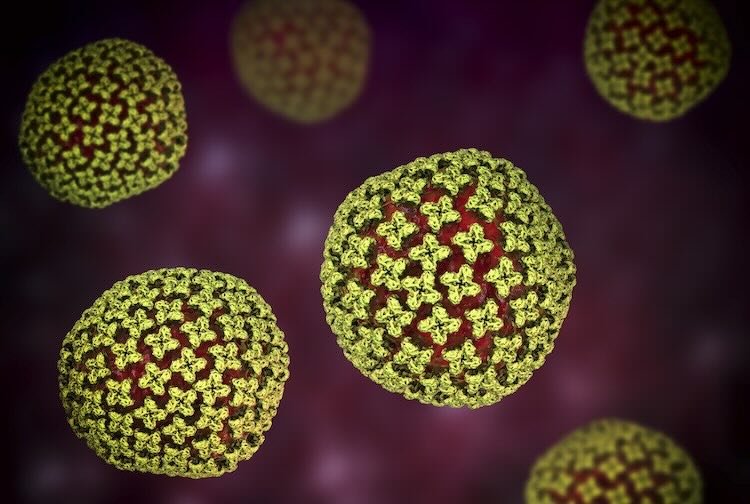 Hantavirus is a rare illness that can occur after an individual is exposed to the urine, droppings or saliva of an infected rodent. (Getty Images)
By Sara McCloskey-Nieves
With an outbreak of hantavirus making international headlines, travelers are wondering if their next cruise is worth the risk.
Hantavirus is a rare disease. People often contract the illness after being exposed to infected rodents or from touching their mouth or nose after coming into contact with contaminated surfaces.
Several passengers aboard the MV Hondius cruise ship appear to have caught a rare strain of the virus which has reportedly spread person to person. As of May 4, the World Health Organization considers the risk to the global population “low.”
Gonzalo Bearman, M.D., an infectious disease expert at VCU Health, says it is “extremely unlikely” for other cruise ships to have similar outbreaks of this illness.
“Hantavirus strains are specific to certain geographic locations. With the most recent situation, the concern is about the Andes hantavirus from South America,” Bearman explained. “The risk of a wider cruise ship-related outbreak of hantavirus is extremely low. Hantavirus outbreaks in Caribbean cruises or even Mediterranean cruises are extremely unlikely.”
VCU Health News spoke with Bearman about the different illnesses caused by hantaviruses and whether you need to make any changes to your vacation plans.
What causes hantavirus? What are hantavirus symptoms?
People can contract hantavirus after being exposed to urine, feces and saliva from rats and mice. There are different strains of hantavirus on different continents and regions. The virus connected to the cruise ship outbreak – the Andes hantavirus strain – is native to South America.
In the beginning, hantavirus feels similar to the flu. Strains found in the Americas primarily impact the lungs, making it hard for some patients to breathe as their lungs fill with fluid. Hantavirus found in Europe and Asia often affects the kidneys and can cause internal bleeding and organ failure.
About 40% of patients who develop respiratory symptoms may die from the illness, according to the Centers for Disease Control and Prevention. Between 5 and 15% of cases are fatal for the kidney-related strain.
What are the risks of infectious disease outbreaks on a cruise ship?
Outbreaks on cruise ships are often not associated with unique, rare viruses such as hantavirus. The most common outbreaks reported by cruise ship passengers are illnesses you hear about each year:
- gastrointestinal viruses, like the norovirus and diarrheal viral infections
- respiratory illnesses, such as influenza (flu) or even COVID-19
Is there a higher risk of viruses spreading on cruise ships compared to other places?
Yes, there is a greater risk of people spreading certain infections to each other on cruise ships. This is mainly because there are thousands of people who are in crowded places for shared activities, like dining and swimming.
Does this hantavirus outbreak on a cruise ship make future cruises unsafe?
The current hantavirus situation will likely not impact the global safety of the cruise ships. This is most likely a serious – yet limited – outbreak that does not pose a greater risk to travelers worldwide.