More than just Lyme: What you need to know about other emerging tick-borne diseases
VCU expert Richard Marconi shares advice on how to recognize and get treatment for the various tick-borne illnesses found on the East Coast.
June 15, 2026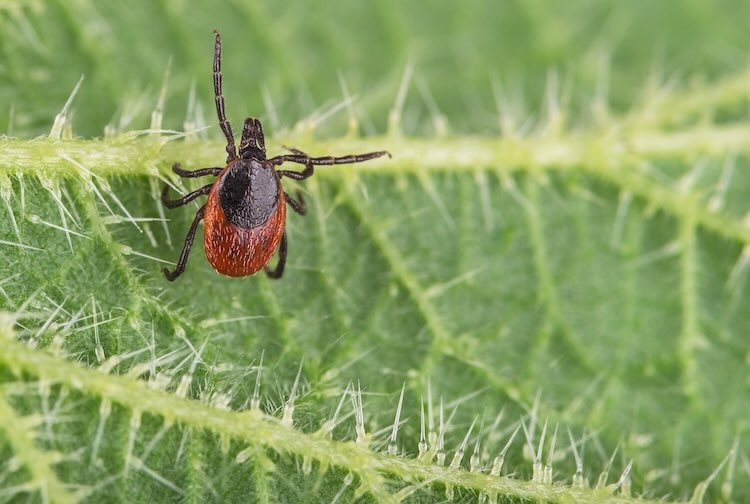 Blacklegged ticks, also known as deer ticks, are best known for transmitting Lyme disease, but also can transmit several other illnesses to humans. (Getty Images)
By Olivia Trani
With many regions of the United States facing warmer temperatures and higher humidity, tick activity is rapidly increasing across the country, and health experts are already warning of a bad tick season. Data from the Centers for Disease Control and Prevention shows that weekly rates of emergency department visits for tick bites are the highest for this time of year since 2017.
While Lyme disease is the most common tickborne disease in the country, with an estimated 476,000 patients diagnosed each year, other illnesses transmitted by tick bites are emerging and gaining prevalence. For instance, a study has found an explosive nationwide rise in a tick bite-induced red meat allergy called alpha-gal syndrome, while other studies have reported concerning increases in the number of babesiosis cases.
“Tick populations across the United States are both increasing in density and spreading to new environments,” said Richard T. Marconi, Ph.D., a professor in Virginia Commonwealth University School of Medicine’s Department of Microbiology and Immunology and a leading expert on tick-borne diseases. “While public awareness for tick-borne diseases like Lyme disease has grown, we need to be more cognizant of the other tick-borne pathogens that adversely impact our health.”
Marconi’s lab is currently developing a human vaccine for Lyme disease and creating faster, more accurate diagnostic tools for Lyme disease, babesiosis and other tick-borne illnesses.
VCU Health News spoke with Marconi about emerging tick-borne diseases, how to recognize their symptoms and when to seek medical treatment.
What ticks are commonly found on the East Coast and what diseases can they carry?
The three most prevalent disease-carrying ticks to be mindful of on the East Coast are blacklegged ticks, American dog ticks and lone star ticks.
Blacklegged ticks, also known as deer ticks, are best known for transmitting Lyme disease, which is the most prevalent tick-borne infection in most of the Mid-Atlantic and Northeast regions of the U.S. However, bites from this tick can also lead to other bacterial infections, including:
- Anaplasmosis
- Babesiosis
- Ehrlichiosis
- Powassan virus disease
The American dog tick is also commonly found on the East Coast and may carry bacteria that cause two serious illnesses:
- Rocky Mountain spotted fever
- Tularemia
The lone star tick is becoming more prevalent across the East Coast and throughout the Midwest. These ticks can transmit ehrlichiosis, as well as cause an immunological disease called alpha-gal syndrome.
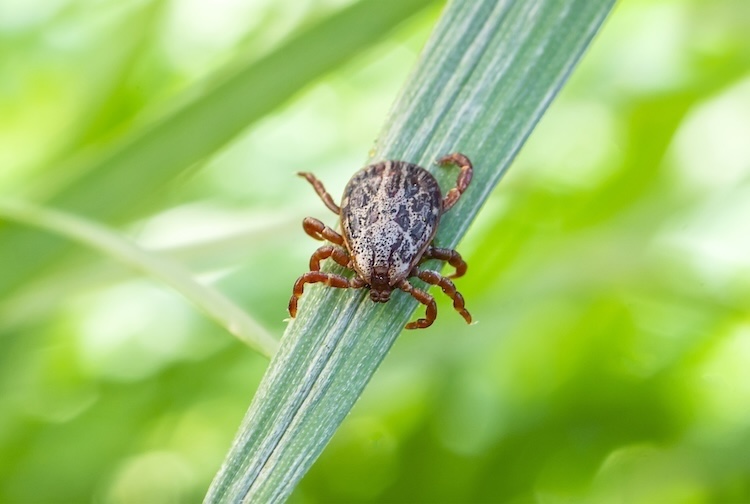 The American dog ticks can carry bacteria that causes Rocky Mountain spotted fever or tularemia. (Getty Images)
What are common symptoms of tick-borne diseases?
The key thing I would stress about most of these tick-borne diseases is that they impact our health in many ways that are similar to other infections.
During the early stages of infection, these diseases tend to cause nondescript symptoms, such as fatigue, mild aches and pains, fever, chills or just generally feeling unwell. Often these symptoms are referred to as “flu-like,” with the exception that tick-borne diseases do not typically cause respiratory issues.
Because these symptoms are not very specific, tick-borne diseases are often difficult to diagnose early or can even be misdiagnosed for another illness. While people with Lyme disease will sometimes develop a “bullseye” rash and Rocky Mountain spotted fever often leads to rashes starting at the wrists and ankles, this is not the case for other kinds of tick-borne diseases.
Alpha-gal syndrome isn’t a bacterial infection, but rather an immunological response to a sugar molecule called alpha-gal, which can be transmitted from lone star tick bites into the bloodstream. This molecule is naturally found in red meat and dairy products, so consumption of these foods can cause an allergic reaction. Sometimes these reactions are severe enough to require hospitalization. There is no cure for alpha-gal syndrome, but people with this condition can avoid allergic reactions by not eating red meat, dairy products and gelatin.
When should you seek medical attention after a tick bite?
If you suspect you have a tick-borne illness, it’s important to get tested and treated by your primary care provider or an urgent care clinic as soon as possible. When they’re caught early, bacterial infections from ticks can be cured with antibiotics. However, if left untreated for an extended period of time, tick-borne diseases can lead to long-term health consequences, such as brain fog, chronic pain and arthritis, neurological issues and even serious organ complications. Some of these health problems can persist even after an infection is cleared. A few of these diseases, like Rocky Mountain spotted fever and tularemia, can even be life-threatening if not treated quickly.
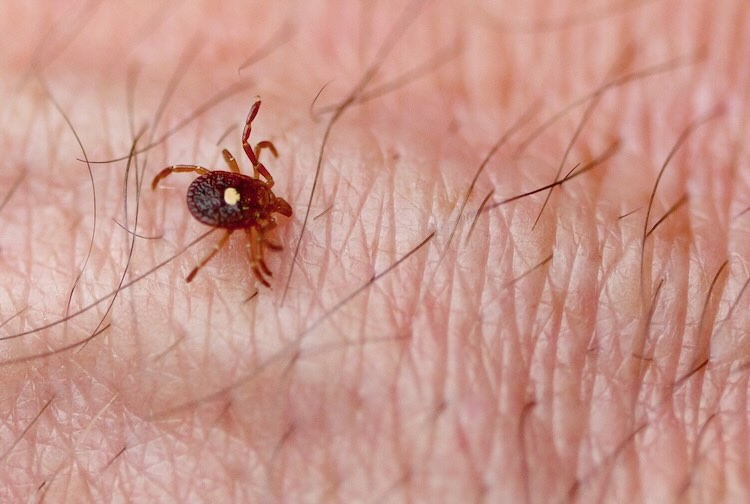 The lone star tick can transmit ehrlichiosis and can also cause an immunological disease called alpha-gal syndrome. (Getty Images)
What should you do if you find a tick on your body or suspect you may have a tick-borne disease?
It’s important to remember that not every tick encounter results in transmission of a tick-borne disease. If you find a tick crawling on you, it most likely hasn’t bitten you.
If you have been bitten by a tick and it has started to feed, it’s important to remain calm but act quickly.
- Gently remove the tick with a pair of fine tweezers.
- Save the tick and put it in a re-sealable plastic bag.
- Monitor the tick bite for any changes.
Ticks need to feed for some time before they can transmit any infections, so you’ll want to see if the tick looks enlarged. If the tick doesn’t seem like it has taken a meal, the chances of acquiring a tick-borne disease are low. But if the tick is engorged, you can go to a tick identification website to see what infections it might carry or take it to a clinician for identification.
If you start to develop a rash, feel unwell, or begin to have flu-like symptoms for more than a couple of days, you should consult with a primary care provider to get tested for any possible tick-borne diseases.
If you are experiencing these symptoms but don’t remember being bitten by a tick, it can be helpful to think back to where you’ve been in recent history, such as any instances of prolonged time outdoors in areas endemic for tick-borne diseases.
You shouldn’t panic about a tick bite, but you shouldn’t ignore it either. Save the tick and seek treatment if you’re feeling ill.