Is it endometriosis? When to go to the doctor for painful periods
A VCU Health surgical gynecologist breaks down signs and symptoms of endometriosis.
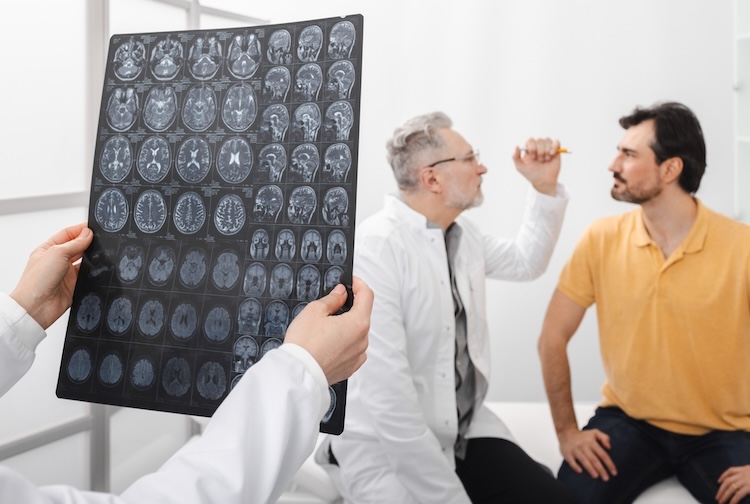
March 11, 2026 Endometriosis is a medical condition that causes tissue similar to the lining of the uterus to grow in other places of the body. (Getty Images)
By Leigh Farmer
For many women, the pain that comes just ahead of or in the first few days of a menstrual cycle is normal. It’s never pleasant, but it’s expected. Now imagine that pain spreading outside of your uterus. Is it just a particularly intense period? Or is it something else?
When the pain of a period becomes debilitatingly intense, it could be endometriosis.
One in every ten women will be diagnosed with the disease in their lifetime, according to the U.S. Department of Health and Human Services.
But it’s hard to diagnose.
Many women don’t seek treatment, chalking it up to bad period pain. Often, it’s only when that pain becomes unbearable that they finally talk to their doctor about it. In fact, while many women develop the affliction in their teenage years, they aren’t diagnosed until they are in their mid to late 30’s.
“Our goal is to make sure patients are heard,” said Katie Czyszczon, M.D., gynecologist and co-director of robotic surgery at VCU Health. She treats women with this condition nearly every day. “It’s really common for this disease to be very complex.”
Pain during a menstrual cycle is very difficult to talk about. Czyszczon says a crucial part of diagnosing this disease is listening to patients, taking their pain seriously and working with them to find the best solutions based on their individual situation.
“If that’s the experience that the patient is having, they are not alone. I can ensure that we will listen,” Czyszczon said. “We want to make sure that each patient has a really good understanding of the recommendations whether that’s medication or surgery. We really walk people through their diagnosis, all the way through their recovery.”
Czyszczon recently answered some very common questions that women may be asking themselves about their experience with painful menstrual cycles in an episode of the Healthy with VCU Health podcast.
What is endometriosis?
Endometriosis is tissue growth that mimics the uterine lining but grows outside of the uterine wall. It can invade the ovaries, fallopian tubes, bladder or intestines. Just like the uterine lining, it responds to monthly hormone shifts and can cause swelling, inflammation and pain in the areas where it lives.
Who is at risk of developing endometriosis?
In some cases, there may be a genetic connection; however, anyone with a uterus can develop endometriosis. When it comes to symptoms, certain lifestyle factors can help with pain reduction, like reducing inflammation through good nutrition, better sleep patterns and minimizing stress. Unfortunately, those holistic interventions don’t cure the disease.
What are the common symptoms of endometriosis?
Some of the most common symptoms include the following:
- Very painful periods
- Chronic pelvic pain
- Pain during sex
- Heavy bleeding
- Bloating
- In some cases, difficulty getting pregnant
If any of these symptoms are affecting your daily life, reach out to a gynecologist. Ideally, it’s best to reach out to one that has advanced training in pelvic pain and minimally invasive gynecologic surgery (MIGS).
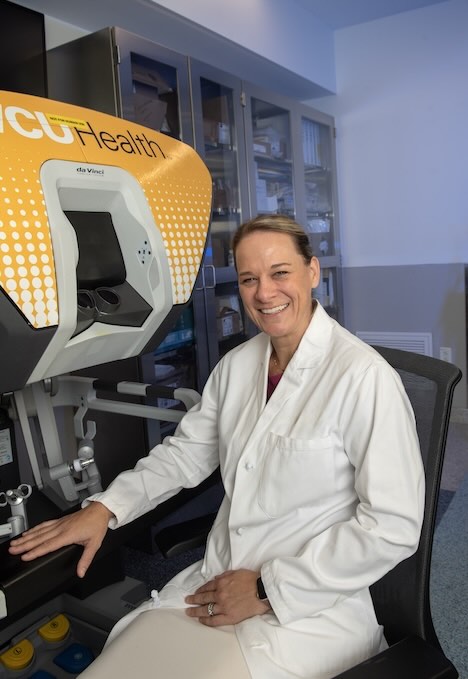 Katie Czyszczon, M.D., is a gynecologist and co-director of robotic surgery at VCU Health. (Allen Jones, Enterprise Marketing and Communications)
Why is it difficult to diagnose someone with endometriosis?
The invasive tissue that mimics the uterine lining can be anywhere in a woman’s body. As a result, it can cause very diverse and complex symptoms. For example, some people can have very advanced endometriosis and be in very little pain while others can have very severe pain and less evidence of disease.
To diagnose the disease, a doctor will often ask very detailed questions about the patient’s symptoms, do a pelvic exam and order imaging that can include an ultrasound or MRI. However, the only definitive way to confirm endometriosis is through minimally invasive gynecologic surgery (MIGS). During this surgery, a doctor is able to see the tissue and often remove it.
Surgery is not often the first recommendation, but it can be part of a comprehensive plan of care. A high clinical suspicion of endometriosis is often enough to begin treating symptoms. Making an appointment with a gynecologist that is trained in MIGS can ensure an accurate diagnosis is made and the right treatment approach is started right away.
How do you treat endometriosis?
There are three strategies to consider.
- Managing pain and symptoms: The first strategy is the most conservative approach. Something as simple as a high dose of anti-inflammatory medication or a heating pad can be a great solution for some patients. With this approach, we also often recommend pelvic floor physical therapy and lifestyle changes (e.g. dietary changes and better sleep).
- Medication to manage hormones: The second strategy involves medications that can manipulate hormones. Because endometriosis is hormonally driven, often if we manipulate those hormones we can stop the growth of this invasive tissue.
- Surgery to remove endometriosis: The third approach is robotic surgery. MIGS can often remove the invasive endometriosis with minimal scarring and recovery time. However, depending on where the tissue is found, surgery can become more complex. It should be noted that surgery does not cure endometriosis and is typically recommended in conjunction with medication to suppress the growth of tissue long-term.
MIGS has transformed endometriosis care by facilitating access to surgery for more patients than ever before. The risk is lower with MGIS because we are using just a few small incisions and utilizing a camera to better visualize the abdominal cavity and pelvis. Other benefits include faster recovery, lower infection, and less pain after surgery. Many patients go home the same day to recover in their own home.
When patients come to VCU Health, we want to make sure they have a good understanding about all of their options. We offer consultations with OB-GYNs and pelvic health specialists with training in MIGS, like myself, who can ensure you receive the most advanced care and are met with compassion along with way from diagnosis to recovery. , like myself, who can ensure you receive the most advanced care and are met with compassion along with way from diagnosis to recovery.