How to recognize and prevent traumatic brain injuries
Expert insights from a doctor at the largest neurocritical care specialty center in Virginia.
March 30, 2026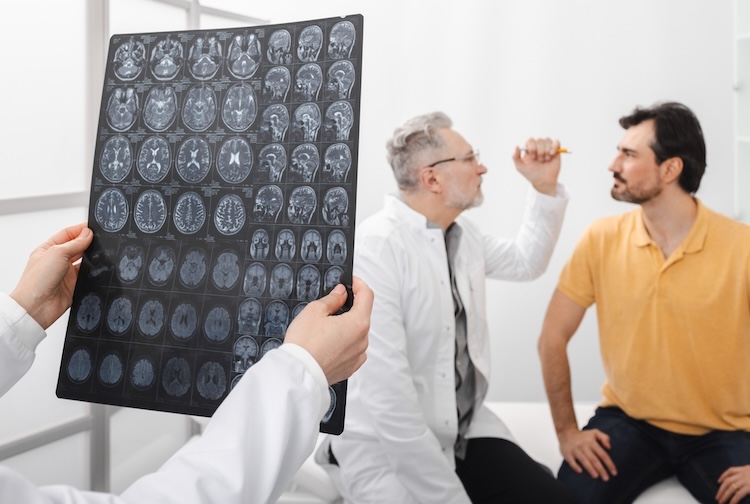 Nearly 30% of adults in the United States will experience a TBI in their lifetime, according to the Centers for Disease Control and Prevention.(Getty Images)
By Leigh Farmer
It can happen during an exciting game of football or frightening car accident, but a traumatic brain injury (TBI) is always a dangerous health concern. Signs and symptoms should never be ignored, however, many people go undiagnosed and untreated.
Nearly 30% of adult Americans will experience a TBI in their lifetime, according to a recent national survey by the Centers for Disease Control and Prevention. Roughly 14% of children will suffer from one during childhood.
Left untreated, a TBI can lead to problems with memory, executive functioning, headaches and, in the worst cases, death.
“There is injury to the brain cells, which could be temporary disruption. Or it could be a complete damage to the brain, resulting in brain swelling,” said Aarti Sarwal, M.D., division chair of VCU Health’s Neurocritical Care Unit – Virginia’s largest, most comprehensive critical care unit for brain injuries. The 28-bed, multi-specialty care unit is staffed with a multi-disciplinary team that takes care of advanced, traumatic and spinal cord brain injury.
Sarwal recently answered questions about traumatic brain injury during an episode of "The Doctor Is In” on Virginia This Morning on CBS6 where she provided valuable insight for the community on signs, symptoms and treatment.
What are signs and symptoms of a traumatic brain injury?
If someone suspects that they or someone they know is suffering from a traumatic brain injury, symptoms might include:
- Severe or recurrent headaches
- Vomiting
- Impaired speech, not being able to speak at all or understand others
- Difficulty moving arms or legs
- Seizures
- Inability to wake up or stay awake during a conversation
- Clear drainage coming from the nose or ears
These are all signs that you need to seek emergency care immediately.
What are the neurological effects associated with traumatic brain injury?
Long-term side effects of traumatic brain injury can include a range of symptoms like drowsiness, severe chronic headaches, seizures, brain fog, physical and cognitive disability that can affect a person’s career or day-to-day duties. The onset of mood swings, depression and anxiety can also be indicators of a side effect of TBI. Long-term, neurodegenerative disorders with Parkinson's-like symptoms or dementia-like symptoms can begin to develop.
What does recovery look like for moderate to severe traumatic brain injuries?
At VCU Health, we have specialists in acute brain injury and acute traumatic spinal cord injury rehabilitation – a rare multi-disciplinary team – that will provide a patient access to facilities and medical professionals that can help with long-term recovery.
How can traumatic brain injuries be prevented?
For older adults who are predisposed to the risk of falls, it’s important to keep them in an environment where falls would not result in injury. For others, it is important to wear appropriate safety gear like helmets and follow safety regulations. When driving, use a seatbelt, do not speed excessively and stay alert by keeping your full attention on the road.
Every patient in VCU Health’s Neuroscience Intensive Unit has a multi-disciplinary team dedicated to their care and recovery. But we sincerely hope by preventing TBI you will not need our services. Our hope is that we can keep people safe by creating advocates for good safety practices when engaging in activities that increase the risk of head injury. If you do end up in a situation where you suspect someone has a head injury, seek emergency attention immediately.