How to beat the clock: Daylight savings advice from a sleep expert
Developing good ‘sleep hygiene’ is the key to a healthy life, the head of VCU Health’s Sleep Clinic says
February 25, 2026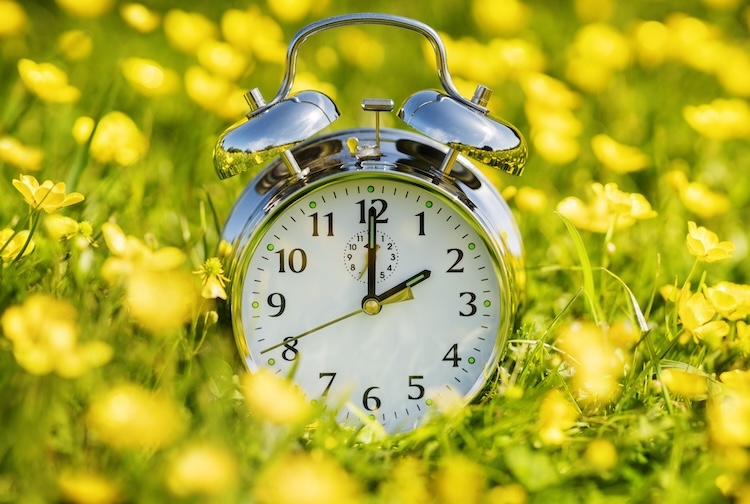 A VCU Health sleep expert says adjusting your sleep schedule incrementally ahead of the time change can make the adjustment easier. (Getty Images)
By Leigh Farmer
Do you ever groan about daylight savings time? That one-hour time adjustment can cause such pain in the morning. It can linger for days or even weeks.
There are a few people you can thank for the concept. Firstly, Benjamin Franklin. He proposed the idea in 1784 to conserve the use of candles. The logic: If people wake up earlier, they won’t have to use so many candles at night.
The idea didn’t take. It wasn’t until 1916, in an effort to conserve resources during World War I; Europeans were ordered to wake up earlier in order to leave them with more daylight in the evening.
Essentially, what started as a way to creatively solve one problem has led to a significant problem in another sense – our health.
Daylight savings has been scientifically proven to be bad for you. There are a variety of studies that say that the sleep deprivation caused by these one-hour shifts can do everything from increase traffic accidents to raise the chance of a heart attack.
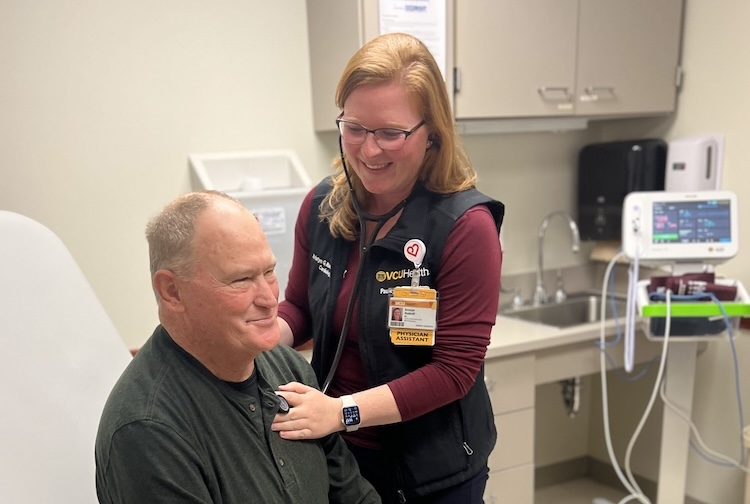
 Maha Alattar, M.D., director of the VCU Health Center for Sleep Medicine. (Enterprise Marketing and Communications)
The expected time changes in both the fall and the spring are now mandated by law (with some exceptions). But these one-hour shifts in time can cause real havoc in our daily lives and our health.
Maha Alattar, M.D., director of the VCU Health Center for Sleep Medicine, has some solid advice for staying healthy during this bi-annual event. It’s all about shifting yourself before it happens for you.
She says to begin preparing for the time change about a week in advance. Every night, continue to shift your bedtime by another 15 minutes. By the time that dreaded daylight savings Sunday comes around, your body will have adjusted to the change a bit better.
“Sometimes a little bit of a shift can go a long way,” Alattar said. “When you ‘lose’ that hour in the morning, you’ve already done your due diligence to cull that hour at night by accounting for the sleep.”
Without this pro-tip, Alattar says, it can typically take the body a better part of a week to adjust to the time change.
Now, what about the rest of the year?
In general, Alattar says sleep can affect nearly every aspect of your life and your overall health. She sat down with VCU Health News to provide some basics on how to sleep well and what to do if you need help.
What are the core principles of maintaining healthy sleep hygiene year‑round?
The main concept of sleep hygiene is that what you do during the day will affect how you sleep at night. The minute you wake up in the morning is going to affect your sleep at night. Early morning exposure to the outdoors and sunlight will help regulate your sleep rhythm. Sixteen hours after that light exposure, the body initiates the mechanisms that propel us into sleep.
Be active – physically and mentally. When you are active, you send a signal to the body that you need to “restore” that energy at night. And that’s what sleep is all about, a lot of enzymatic turnovers. Conversely, if you lay around in bed, the brain says, ‘why do I need to get you to sleep, there’s nothing to restore.’ Work, social interaction, physical exercise – these are all great for sleep.
Two to three hours before bedtime, stop exposing yourself to screen blue light. Screen blue light is an artificial blue sky. Your eyes are supposed to see that during daytime hours, not close to bedtime. Avoid any electronics that emit blue spectrum light (phones, computers, television) so that your body doesn’t get tricked.
Try to decrease your stress levels. If you are anxious or stressed, your body thinks that it’s in danger so it will keep you awake because it needs to keep you safe. Work on destressing with techniques like meditation, deep breathing, or a warm shower.
What you put into your body can also determine how well you sleep. Avoid caffeinated beverages after 2 p.m. and don’t eat heavy meals within three hours of bedtime (it’s ok to have a little snack every once in a while). Avoid things that are not conducive to sleep, like smoking cigarettes and drinking alcohol.
What are the most common habits people unknowingly engage in that sabotage sleep?
There are several very common habits that will destroy a good night's sleep. Here is a quick list:
- Smoking and alcohol use. Both trick people into going to sleep, but you will not have quality sleep. Both are disruptive to sleep and prevent you from going into deep stages of sleep.
- Using electronics. Unfortunately, the use of electronics close to bedtime is common. It has a negative effect on everyone. And it’s not just the blue light exposure that is doing harm. Scrolling and engaging with content is addictive. The discovery of new content every few seconds stimulates dopamine in the brain, which makes you want to watch more content. The next thing you know is that you can’t sleep.
- Eating or the consumption of caffeine close to bedtime. People who enjoy a cup of iced tea for dinner are at particular risk due to the amount of concentrated caffeine in a cup. When it comes to eating, your heart rate and metabolism ramp up to digest your meal. This will make it hard to fall asleep.
When should someone consider consulting a doctor for their sleep?
Routines that help keep sleep healthy are commonly called “sleep hygiene.” Just as you brush your teeth or wash your body for overall clean hygiene, ensuring that you follow good sleep practices will also make a very large difference in your health. If you begin to practice the good sleep hygiene habits above and you are still not sleeping well or wake up still feeling unrested and tired, you should consult a sleep specialist.
Additionally, if you or your partner observe signs of sleep apnea – heavy snoring, breathing stops, wake up gasping for air or with headaches – you should consult a physician to get tested for sleep apnea.
What are the long-term health impacts of poor sleep?
Lack of sleep can wreak havoc on your body, short and long term. From your head to your toes, every single tissue can be affected. Your brain, heart, lung and liver will be affected as well as your skin, eyes, muscles, and immune system. Sleep can even take a toll on your reproductive organs.
Think of sleep as the ultimate internal detox. When our bodies are at complete rest, it provides the chance for our internal systems to regenerate. When it comes to the immune system, our body has a chance to create growth hormones for tissue repair and immune cells to fight disease. Meanwhile, our heart rate lowers and our blood pressure begin to stabilize. Inflammation decreases. Sleep regulates hormones like insulin (metabolism and blood sugar), leptin and ghrelin (hunger), cortisol (stress response) and melatonin (circadian rhythm).
We are all guilty of taking sleep for granted, however, it is key for longevity, strength, and health. If you are having trouble sleeping, seek help from a sleep specialist. They will provide you with the best treatment to put your body back on the right track.
Your health matters. Sign up for updates and tips from our VCU Health care team today.