Gardening safety 101: How to avoid exposure to poison ivy, pesticides and more
The director of the Virginia Poison Center at VCU Health digs into safety tips every gardener should know.
April 27, 2026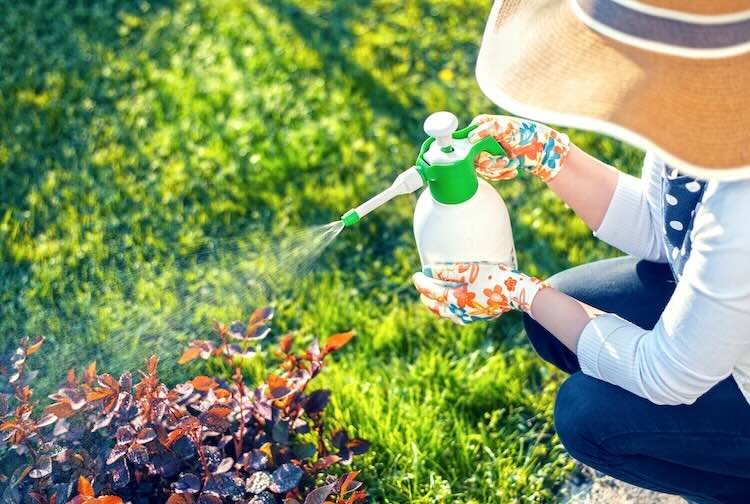 Gardeners can be exposed to a range of toxic hazards such as pesticides, herbicides and fertilizers. (Getty Images)
By Sara McCloskey-Nieves
A beautiful garden doesn’t always mean it’s a safe one.
From poison ivy and toxic plants to pesticide exposure, what is usually a relaxing activity can quickly become a health concern.
That’s when some gardeners turn to the Virginia Poison Center at VCU Health for help.
“Most exposures are mild, but some can be serious, particularly when highly toxic plants or concentrated chemicals are involved,” said John Downs, M.D., MPH, FACP, FAACT, director of Virginia Poison Center at VCU Health.
Downs notes that most gardening-related poison exposures can easily be prevented with a few simple precautions:
- Store gardening products safely
- Avoid mixing any chemicals
- Know what plants are in your yard
- Wear protective equipment
To help gardeners stay safe, VCU Health News posed frequently asked questions to Downs about gardening‑related poisoning risks and how to prevent them before they happen.
What poisoning risks should gardeners be aware of?
Gardeners are exposed to a range of potential toxic hazards, most commonly pesticides, herbicides and fertilizers. These products can be harmful if inhaled, absorbed through the skin or accidentally ingested. Another important, but often overlooked risk, is exposure to fumes from chemicals that are mixed or used in poorly ventilated areas.
We also see exposures to toxic plants both from skin contact, such as poison ivy, and from eating plants, like oleander or pokeweed. Additionally, there are risks from wild mushrooms, which can be highly toxic if misidentified, as well as insect stings and snakebites.
Which plants in my yard could make me sick?
Many common plants can cause you to get sick, though how sick varies. Some plants such as oleander, foxglove and yew are highly toxic and can affect the heart if ingested, even in small amounts. Others like poison hemlock or jimsonweed can cause severe damage to the nervous system or the entire body.
More commonly, reactions involve poison ivy, which causes an itchy, blistering rash, or pokeweed, a plant that can irritate the skin and cause serious gastrointestinal symptoms if consumed. Even familiar plants such as daffodils, hydrangeas and azaleas can make you sick if eaten.
A practical rule: Avoid eating any plant or mushroom unless it has been confidently identified as safe and be cautious with any plant that causes skin irritation on contact.
How can I identify poison ivy, poison oak or poison sumac?
Poison ivy is the most common and is typically recognized by clusters of three leaves – hence the phrase, “leaves of three, let it be.” It may grow as a vine or low shrub.
Poison oak has more rounded, lobed leaves resembling oak leaves.
Poison sumac grows as a taller shrub or small tree with multiple paired leaflets and is usually found in wet or swampy areas.
An important safety tip: Never burn these plants. The oils responsible for rashes can become airborne in smoke and seriously irritate your lungs if inhaled.
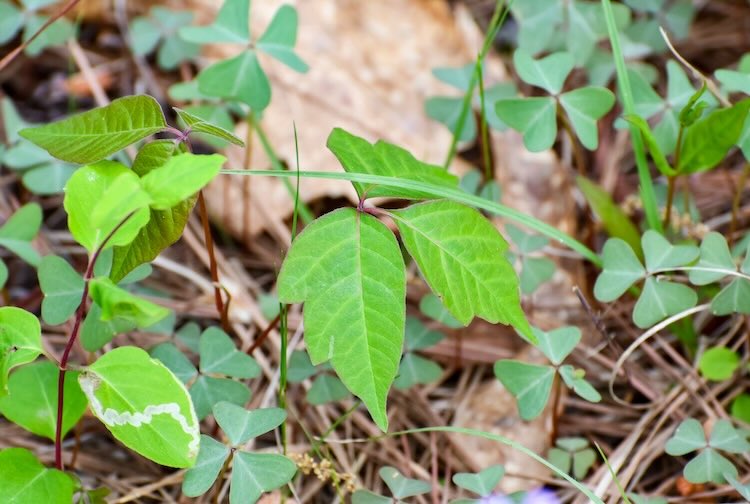 Not to be confused with clovers, poison ivy can be identified by its 'leaves of three' cluster, with the middle leaf having a longer stalk than the two side leaflets. Poison ivy leaves also change color throughout the year; they are often shiny and reddish in the spring, dull green in the summer and then turn bright red, orange or yellow in the fall. (Getty Images)
What should I do if I come into contact with poison ivy, oak or sumac?
If you think you’ve encountered one of these plants, wash your skin promptly with soap and lukewarm water to remove the plant oils. Clothing, shoes, tools and even pet fur should also be cleaned, since the oil can stay on surfaces and cause ongoing exposure.
Your symptoms can often be managed with topical treatments such as hydrocortisone or calamine lotion, along with cool compresses. However, you may need to see a doctor if the rash is severe, involves sensitive areas, like the face or eyes, or if you were exposed to smoke from burning plants.
You can also call the poison center at any time if you have questions on whether you may need further medical attention. However, if you are having trouble breathing or are experiencing swelling, call 911 or head to an emergency department.
What are the symptoms of pesticide exposure or poisoning?
Symptoms vary depending on the type of pesticide and how exposure occurs. Early symptoms are often nonspecific and may include headache, dizziness, nausea, sweating or irritation of the eyes, skin or respiratory tract.
More serious exposures can lead to breathing difficulties, muscle weakness or twitching, confusion, vision changes, excessive salivation, or, in severe cases, seizures or loss of consciousness. Symptoms may occur quickly or be delayed, which is why early consultation with a poison center can be helpful.
What should I do if I think I’ve been exposed to pesticides while gardening?
The first step is to limit further exposure — move to fresh air if fumes were inhaled, remove contaminated clothing, and rinse exposed skin or eyes with water for at least 15 minutes.
After that, contact the Poison Help line. It’s staffed all hours of the day. Poison center specialists can assess the exposure in real time and determine whether home care is appropriate or if medical evaluation is needed.
Are “natural” or homemade weed killers safer?
Not necessarily. “Natural” does not mean non-toxic. Many plant-based or household ingredients, such as concentrated vinegar or essential oils, can still cause skin burns, eye injury or respiratory irritation, particularly when used in high concentrations or mixed improperly.
Because homemade products are not standardized, their strength and risk can vary considerably. The same precautions — proper handling, protective equipment and safe storage — should be used regardless of how a product is marketed.
How can gardeners best protect themselves?
Prevention is largely straightforward.
- Properly store and handle gardening products. Chemicals should always be kept in their original containers and stored securely away from children and pets. Most importantly, avoid mixing products and follow label instructions carefully.
- Protect your skin. You should wear gloves and wash your hands after yard work.
- Familiarize yourself with the plants in your yard. Avoid touching or ingesting unknown plants or mushrooms. If you’re uncertain, there are now a variety of smartphone apps that can be used to help identify plants with just a snapshot.
What should I do if a child or pet eats a plant, berry or mushroom?
Do not wait for symptoms to develop. Some plant and mushroom exposures can cause serious toxicity even in small amounts for adults and children.
If someone has severe symptoms such as trouble breathing, seizures or becomes unresponsive, call 911 immediately.
If the individual is stable, gently remove any remaining material from their mouth and have them rinse with water. Do not induce vomiting. If possible, take a photo or save a sample of the plant or mushroom as this could help identify what it is. Then, please give us a call at the Poison Help line (1-800-222-1222) as soon as possible.
For pets, you should contact a veterinarian or an animal poison control service such as ASPCA Poison Control at 888-426-4435 or the Pet Poison Helpline at 855-764-7661.
Stay informed, stay healthy. Sign up for VCU Health’s e-mail newsletter.