Cancer care in Southside Virginia: Alan Veeck’s prostate cancer journey
A prostate cancer survivor shares why cancer screenings and access to specialized care matters for Virginia’s rural communities.
September 21, 2026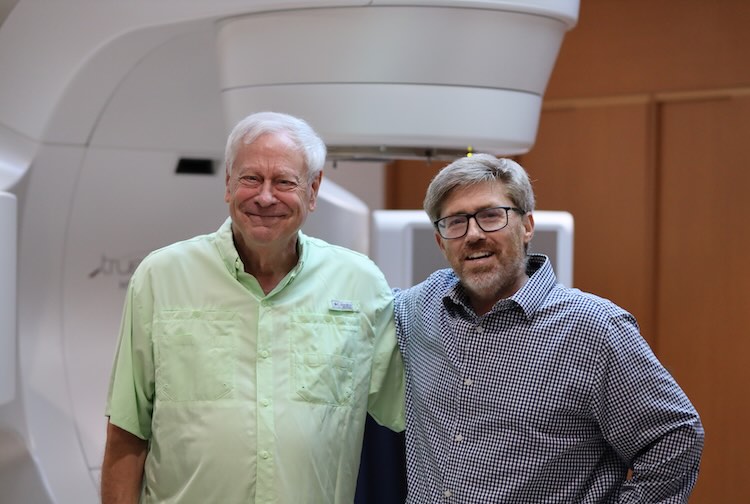 Alan Veeck celebrates 5-years of cancer remission and reunites with radiation oncologist Timothy J. Wallace, M.D., who treated Alan with a combination of hormone therapy and radiation for prostate cancer. (Bill Potter, VCU Massey Comprehensive Cancer Center)
By Shea Wright and Bill Potter
When Alan Veeck began having trouble urinating at night, he knew it was something he needed to talk about with his primary care physician.
At the time, he was in his early 60s and had begun receiving regular prostate exams from his physician. Those exams showed an increase in Prostate-Specific Antigen (PSA), a protein made by the prostate gland that is an early indicator of prostate enlargement, inflammation and cancer. Eventually, a biopsy led to a prostate cancer diagnosis, and a conversation with his care team about what should come next.
Prostate cancer is the most common type of cancer diagnosed in men, aside from skin cancers. About 1 in 8 men will be diagnosed with prostate cancer during their lifetime.
Alan’s physician initially recommended surgery. But his friends’ experiences with prostate cancer surgery made him want to learn more about the other treatment options.
“I had several friends who had surgery and experienced complications and side effects, so I asked what my other options were,” Alan said. “I was retiring and I didn’t want to miss out on family events with a long recovery process.”
When Alan and his wife moved from Virginia’s Tidewater region to the Lake Gaston area, he was glad to know he didn't have to travel long distances to find specialized cancer treatment. The care he needed was available at VCU Health’s Hendrick Cancer and Rehab Center and Solari Radiation Therapy Center located in South Hill, Va.
Surgery remained an option when Alan met with Timothy J. Wallace, M.D., Ph.D., who leads radiation oncology at VCU Health Community Memorial Hospital. After Wallace reviewed his initial prognosis and discussed the different approaches to treating his prostate cancer, Alan chose a combination of hormone therapy and radiation.
“Surgery was an option for him, but we know that ultimately the outcomes are the same whether you have surgery or radiation,” Wallace said. “So, it really becomes a quality-of-life issue, a side-effect issue and a personal decision.”
For Alan, understanding those choices was important. His experience reinforced something Wallace discusses with patients regularly: prostate cancer treatment isn't one-size-fits-all.
Improving access to cancer care in Virginia’s rural communities
For patients who need weeks of radiation therapy, traveling a significant distance for every treatment can add another burden to an already challenging time.
Radiation therapy itself can take several forms. At CMH, Massey offers external beam radiation therapy and stereotactic treatments, using a new Varian HyperSight TrueBeam radiation therapy system, while patients who choose brachytherapy can be connected with specialists at VCU Health and VCU Massey Comprehensive Cancer Center in Richmond.
For a typical prostate cancer patient receiving external beam radiation at CMH, treatment may mean coming to weekly appointments Monday through Friday, about 20 treatments in all. That makes proximity more than a matter of convenience.
Wallace said patients receiving radiation can often complete each visit quickly.
“Door to door, they’re here for about 20 minutes,” Wallace said. “The treatments take about 10 minutes, and probably half of that time is setting them up.”
For Alan, having those appointments available in South Hill meant he could spend more time healing at his new home.
“If I would have had to drive to Richmond or even Norfolk every day of the week for six weeks, it would be extremely hard to do. With this facility only 18 minutes away from my house, it’s just more convenient. The difficulty of getting up in the morning and getting ready and going for treatments would be much more onerous if I had to go to add an hour and a half travel each way, every day,” Alan said.
What it means to have comprehensive cancer care closer to home
The mission of VCU Massey Comprehensive Cancer Center is to reduce the cancer burden for all Virginians. As one of only two NCI-designated Comprehensive Cancer Centers in the state, Massey is among the country's top 4 percent of cancer centers.
One of the critical components of cancer survivorship is having treatments closer to a patient’s home. Massey and CMH operate the first and only radiation treatment facility in the Southern Virginia region, the Solari Radiation Therapy Center, which plays a primary role in boosting cancer survivorship rates throughout the region.
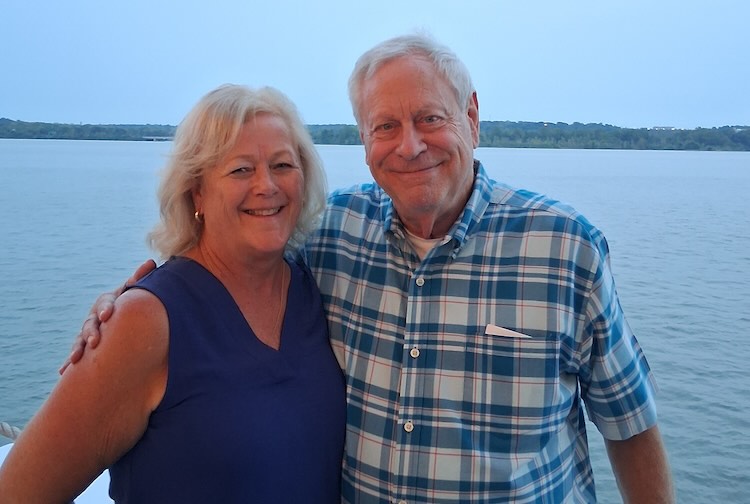 Alan Veeck and his wife, Nancy, now call the Lake Gaston area home. Having radiation therapy available nearby in South Hill allowed Alan to receive specialized prostate cancer treatment without traveling long distances for his appointments. (Contributed photo)
Wallace said recent investments in radiation technology at CMH have made that local access even more significant.
“Now that we have our new radiation machine, it’s a huge benefit because people aren’t sacrificing proximity for technology,” Wallace said. “The real benefit, though, is the truly multidisciplinary academic approach with the same technologies, the bells and whistles and they’re getting it in this rural setting. They don’t have to travel far.”
For patients like Alan, being connected to a larger academic health system means access to quality care that's not only close to home, but also feels like home.
“I came in everyday Monday through Friday for six weeks, 30 treatments total,” Alan said. “The staff here really made this process enjoyable, they asked what kind of music I liked…. Everyone who works here lives around here and is local, and that’s the benefit of a smaller town. I’m grateful to have this place right here in South Hill.”
Prostate cancer screenings: Closing the gap with awareness and outreach
Today at age 78, Alan has reached an important milestone: five years in remission. His experience illustrates both sides of that equation. What began with nighttime urinary problems ultimately led to a diagnosis. When he began considering his treatment options, he didn't have to choose between receiving specialized cancer care and staying close to his new home.
“Every man, number one, should get tested,” Alan said. “The key is that the sooner you get the [cancer test] results and find out where you are, the more time you have to make intelligent decisions about how to take care of it.”
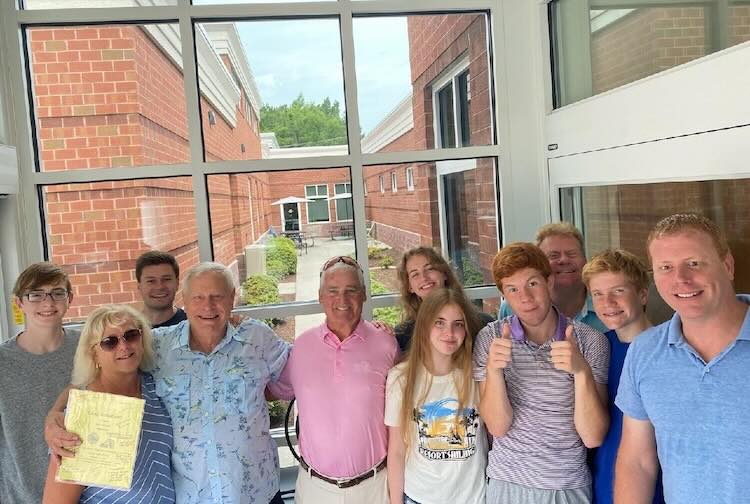 Surrounded by family and friends, Alan Veeck, 78, celebrates completing treatment for prostate cancer at VCU Health’s Hendrick Cancer and Rehab Center and Solari Radiation Therapy Center. Five years later, he remains cancer-free. (Contributed photo)
Wallace hopes Alan’s story can also encourage more men to talk with their healthcare providers about prostate cancer screening. That need is especially important in the communities surrounding CMH. Wallace points to the decline in screening rates in Mecklenburg, Lunenburg and Brunswick counties that are below Virginia and national averages.
For Wallace, those numbers illustrate why improving cancer outcomes in rural communities requires addressing both early detection and what happens after a cancer is found.
“It really shows you there are two problems,” Wallace said. “One, we need to screen more people, and two, the people we screen need to get that access to care.”
Beyond the walls of the hospital, work is already happening to address this problem.
This past month, VCU Massey Comprehensive Cancer Center hosted its Closing the Gap Cancer Summit in South Hill, bringing clinicians, researchers, survivors and community members together for conversations about prostate cancer awareness, prevention, treatment and support. The event also offered voluntary PSA blood testing and connected attendees with local cancer resources.
The summit is part of a broader effort to reach men where they live, improve awareness of prostate cancer screening and ensure those who need additional care can access it.
For Wallace, that's an important distinction. Finding cancer is only the beginning. Patients also need a clear path to the care that comes next.
Alan's experience illustrates both sides of that equation.
“Screening is huge. Screening saves lives,” Wallace said. “It sounds cliché, but it’s very true. There’s documented evidence showing that outcomes improve with appropriate cancer screening, particularly with prostate cancer.”
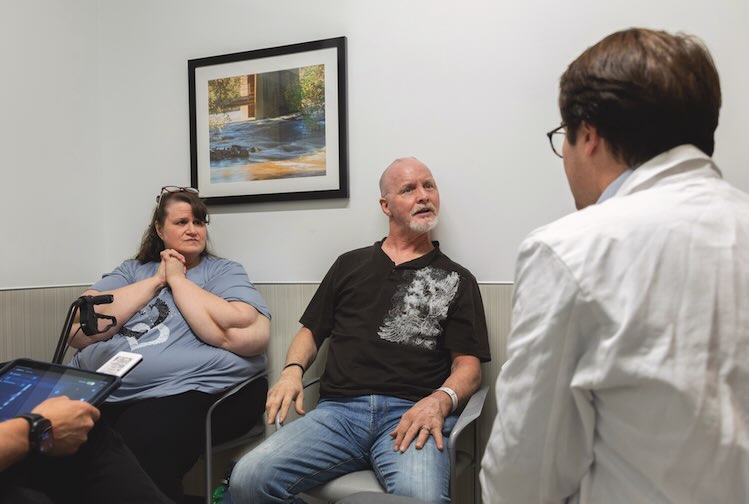
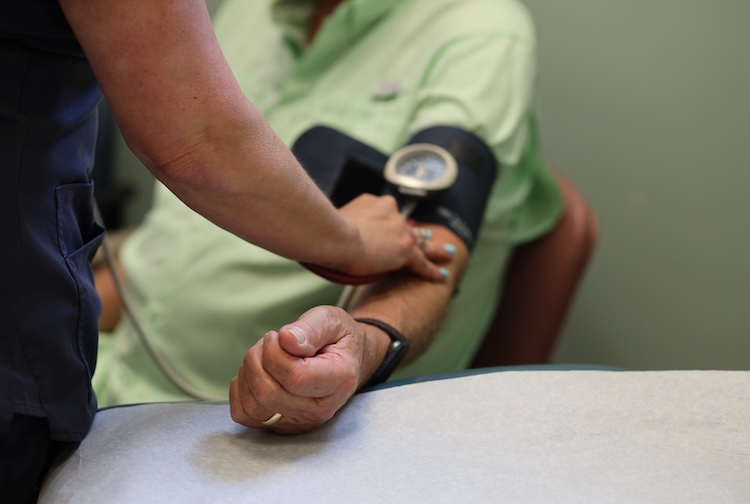 Prostate cancer screenings are typically done through a blood test. These tests can lead to an earlier diagnosis and better outcomes. (Bill Potter, VCU Massey Comprehensive Cancer Center)
Prostate cancer screenings: What patients can expect during exams
How common is prostate cancer in Virginia?
In Virginia, prostate cancer is the most common non-skin cancer diagnosed among men, and is the second-leading cause of cancer mortality in men.
Why should men consider getting screened for prostate cancer?
Screening for cancer saves lives. Earlier screening and diagnosis leads to better outcomes.
When should men get screened for prostate cancer and how often?
Starting at age 50, the American Cancer Society recommends men who are at average risk get screened for prostate cancer. Screenings often happen every two years. Men who are at an increased risk are recommended to have a conversation with their primary care doctor about screening earlier.
Black men are at increased risk of developing prostate cancer and guidelines recommend consideration of prostate cancer screening starting at age 40 or 45. If you have a family member who was diagnosed with prostate cancer, knowing the details about when they were diagnosed can help determine when is the right time to start screening.
What does prostate cancer screening look like?
The main tool for prostate cancer screening is a blood test known as a PSA, or prostate-specific antigen, test. The PSA level is typically elevated in men with prostate cancer. However, the normal, healthy prostate gland produces PSA so an elevated PSA level is not always an indicator of cancer, and the result of a screening PSA test should be interpreted thoughtfully.
If a screening PSA test is performed and the result is suspicious for prostate cancer, an MRI of the prostate is often performed to help determine whether or not to pursue a prostate biopsy.