A doctor’s guide to colorectal cancer
From screening ages to warning signs, VCU Massey Comprehensive Cancer Center’s leading expert on colorectal cancer answers common patient questions.
March 23, 2026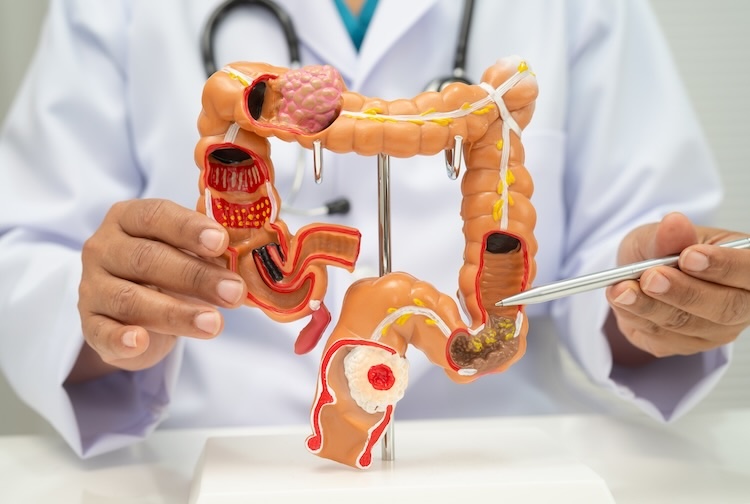 Colorectal cancer is the leading cause of cancer-related deaths in people below the age of 50. (Getty Images)
By Bill Potter
Colorectal cancer cases are rising. In 2026, more than 155,000 people will be diagnosed with the condition across the country, according to the American Cancer Society.
This type of cancer forms in the inner lining of the colon or rectum, typically from slow-growing polyps that are initially non-cancerous. But as more cases are identified, colorectal cancer has become the second leading cause of cancer-related deaths in the United States and the leading cause of cancer-related deaths in people below the age of 50.
“As much as I wish cancer stuck to that rule and didn't strike below 45, that's not the case. We know if you're below 45, you still can get cancer. That's why monitoring symptoms and being your own advocate are so important in that age group,” said Khalid Matin, M.D., a medical oncologist and associate director of global oncology at VCU Massey Comprehensive Cancer Center.
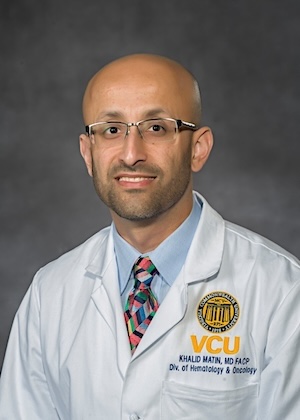 Khalid Matin, M.D., is the associate director of global oncology at VCU Massey Comprehensive Cancer Center.(Enterprise Marketing and Communications)
With more people diagnosed at a younger age, part of Matin’s work at VCU Massey Comprehensive Cancer Center is collaborating with global partners to find new ways to diagnose and treat colorectal cancer.
“Our goal is to see how we can work with cancer centers globally to both benefit our patients here locally, and then ultimately to benefit patients and clinicians elsewhere as well,” Matin said. “In just a short time, what we're finding is that many of the trends we're seeing are not just phenomena we're seeing here in the United States – it's something that's happening globally.”
We recently sat down with Matin to talk about colorectal cancers screenings and how Massey is leading the way in treatment strategies for colorectal cancer.
What is the screening process for colorectal cancer?
Screening saves lives and can prevent cancer. Colorectal cancer is a group of cancers for which the screening can be diagnostic, but it can also be therapeutic and prevent cancer.
Colonoscopy is the gold standard because it examines directly the entire colon and rectum, but we should not forget about the other screening modalities, like stool-based tests such as FIT, ColoGuard and others.
In the process of screening, if there are any precancerous lesions or any polyps, they can be removed. If you didn’t have a colonoscopy or didn't remove them, those polyps would keep growing and eventually one day become cancerous. By getting that colonoscopy, you're preventing cancer ever developing from that polyp.
When should people start screening for colorectal cancer?
The age for screening for individuals at average risk has decreased to 45. If you have a family history, especially with first-degree relatives, you should talk to your primary care doctor because you may need to be screened younger than 45. If you have an underlying inflammatory bowel condition, it'll also be lower.
What are common signs and symptoms of colorectal cancer?
Symptoms are important for people regardless of age.
Some of the most common signs and symptoms of colorectal cancer are:
- Abdominal discomfort that's atypical; that's persistent. That could include abdominal bloating or distension.
- Change in their bowel habits, such as constipation, blood in their stool or black tarry stool, which is a sign of bleeding.
- Unexplained anemia.
- Unexplained weight loss.
Why are more young people diagnosed with colorectal cancer?
This is a major concern for those of us who study and treat GI cancers, as we’re seeing a trend in all GI cancers, but specifically more so with colorectal tumors.
The staggering statistic now is that colorectal cancer is the number one cause of cancer-related mortality in people below 50, having overtaken breast cancer and lung cancer. The sad part of it is that a parent is more likely to be lost now when they have young children because of their age.
While we don't know exactly what the causes are, we do have some idea that we have seen a change in dietary patterns over the last few decades.
Red meat consumption, along with a sedentary lifestyle and obesity, is linked to an increased risk of colorectal cancer. Obesity causes inflammation, as do some of these processed foods. Those inflammatory changes in the gut, microbiome and colon related to dietary habits can promote the development of colorectal cancer at a younger age.
All these things have been implicated, but now we are continuing to work to identify the exact cause and how to reverse or reduce the risk.
How is Massey Comprehensive Cancer Center leading the way in colorectal cancer care and treatment?
Massey is driving major progress in cancer care, with improved surgical techniques, more precise radiation therapies like IMRT and MRI‑guided treatment and advanced chemotherapy options. Targeted therapies and immunotherapies now allow clinicians to treat tumors based on their specific mutations.
The cancer center is also expanding access to innovative clinical trials. As a site for the ATOMIC trial, we helped define new standards of care for MSI‑high cancers. Through partnerships with the NCI and community affiliates, patients across Virginia can join cutting‑edge trials close to home. We're also working with industry leaders to make sure that the new drugs that they're working on are accessible here in Central Virginia.