A doctor’s dose of inspiration: Injecting the 'why' of the work
Why do doctors do what they do each day? VCU Health clinicians share what motivates them.
March 25, 2026 (Jason Munoz, Enterprise Marketing and Communications)
By Adam Austin and Leigh Farmer
Research shows that purpose-driven work improves motivation, resilience and overall wellbeing. Knowing your "why" can sustain your "how" and build endurance. In a field like medicine, the why is a core motivating factor.
On this Doctor's Day, we want to thank these VCU Health clinicians for sharing with us their why. And we hope it motivates and reminds you of yours.
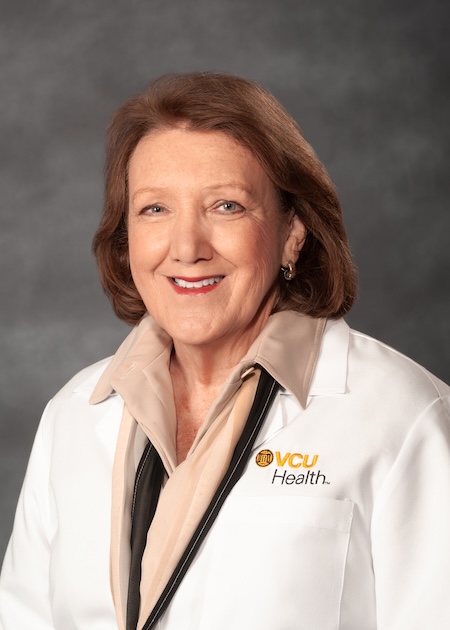
Mary Ann Turner, M.D.
Radiology
I wanted to do something to help people and make lives better, and I thought medicine and science were the ways to do that. I wanted to make a difference and have a life with a purpose, dedicated to something bigger.
I have been practicing for 50 years. It was definitely the right choice for me. I have loved it all and still find it fascinating, satisfying and interesting after all these years!
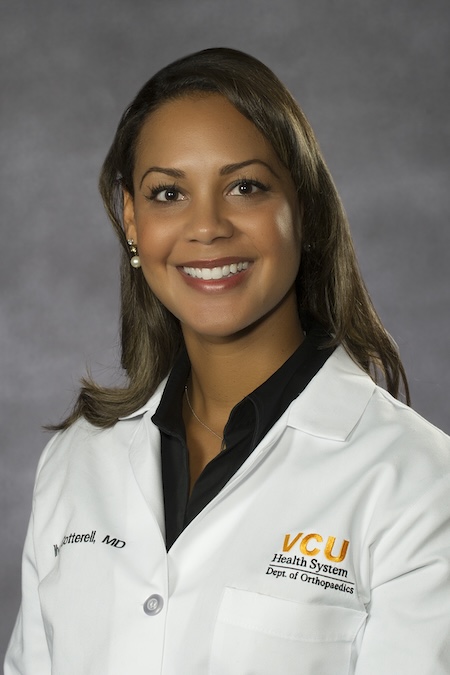
Ilvy Cotterell, M.D.
Orthopedics
If someone had told me years ago how much enjoyment I would derive from my work, I would have thought they were describing a hobby rather than a career.
Seeing how even small improvements can significantly enhance a patient’s ability to work, care for themselves and engage with their environment is always an inspiration.
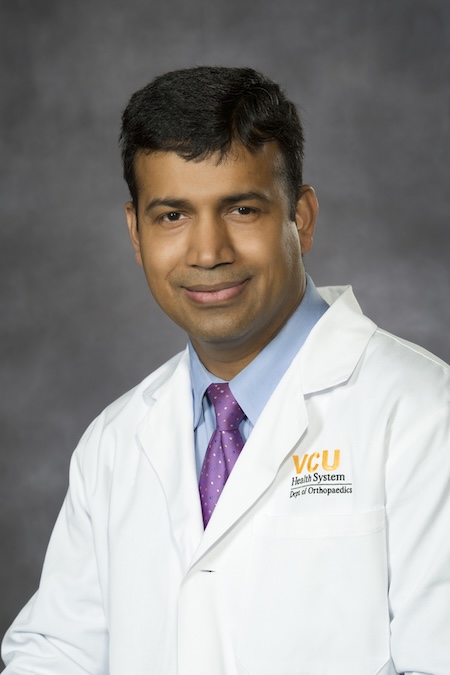
Jibanananda Satpathy, M.D.
Orthopedics
When I was 4 years old, I remember my father going to school to register my name as “Dr. Jibanananda Satpathy.” The schoolteacher told him, gently but firmly, that you couldn’t just add “doctor” to a name, that it had to be earned. I didn’t fully understand it then, but the moment stayed with me.
When I was selected for medical school, everything clicked. I never imagined wanting to do anything else.
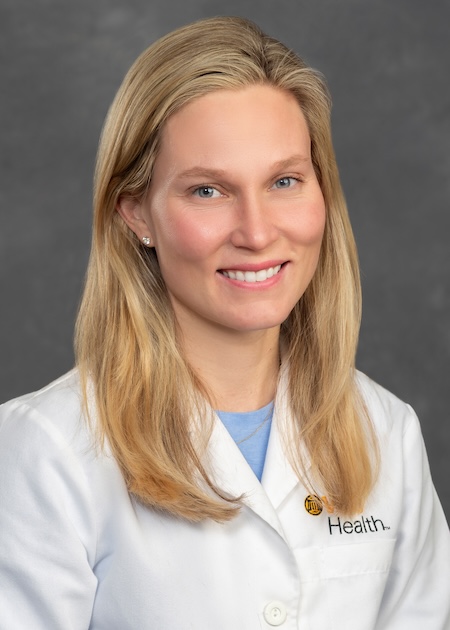
Allison Zuelzer, M.D.
Anesthesiology
I chose medicine because I was searching for a sense of purpose and a way to genuinely needed in the world. Medicine offered me the privilege of serving others and making a tangible difference in people’s lives. Medicine is not just a profession, but a calling that aligns service, a sense of purpose, and family at the center of my life.
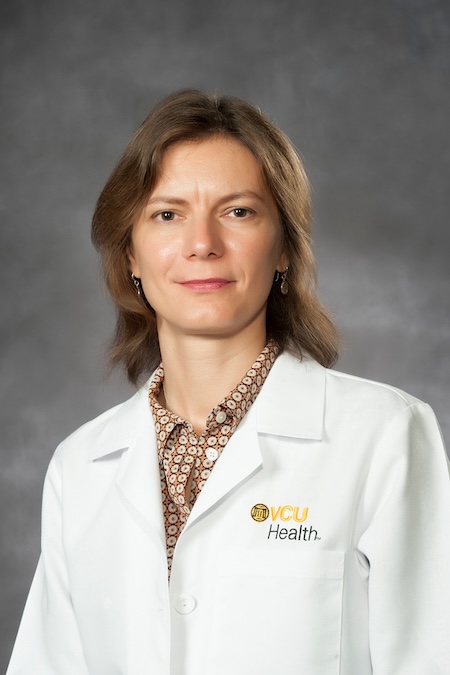
Valentina Robila, M.D.
Pathology
Medicine offered not only the ability to diagnose and treat disease, but also the opportunity to stand with people in their hardest times, to listen, to understand, and to offer comfort or hope. That responsibility felt profoundly meaningful.
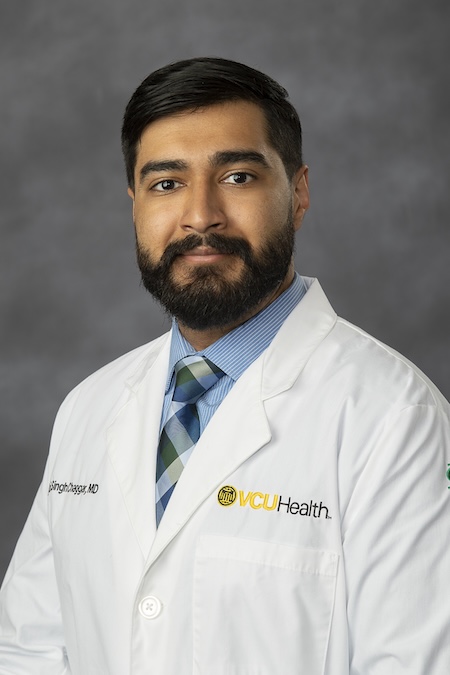
Rajbir Chaggar, M.D., MSHI
Physical Medicine and Rehabilitation
Medicine as a career path for me has always been about the joy of reading; that is, the flow of the narrative, the overarching story woven together by the threads of individuals – and with it, the pieces clicking together for a satisfying conclusion.
Marrying the passions of academia and community led me to my current role as a physiatrist in the field of spinal cord injury medicine. Here, I’ve been privileged to help others shape their own narrative after adversity, putting the pieces back together, to live a good life.
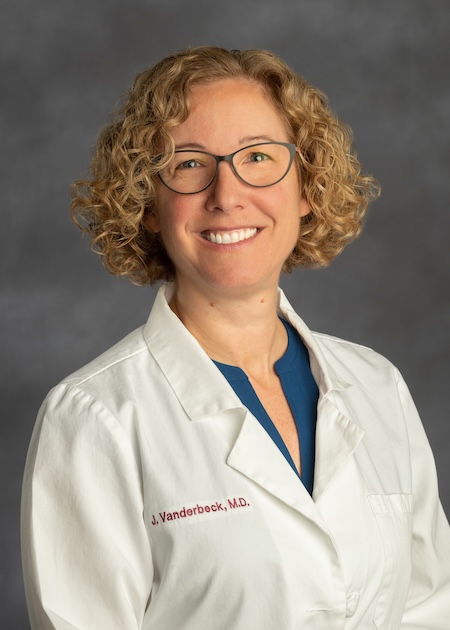
Jennifer Vanderbeck, M.D.
Orthopedics
When I was a child, my mother was admitted to the ICU with what I would eventually learn was small cell carcinoma of the lung. I remember standing at her bedside, not afraid but curious, trying to understand the machines and the science that were working to help her. While those around me felt fear, I felt a quiet pull toward understanding and helping.
That early experience — and many that followed — something within me that I didn’t have words for at the time: a deep sense of steadiness in moments of uncertainty and a profound respect for the human body in both its resilience and its fragility. It is a strength that ultimately guided me toward medicine and continues to shape the way I care for patients today.
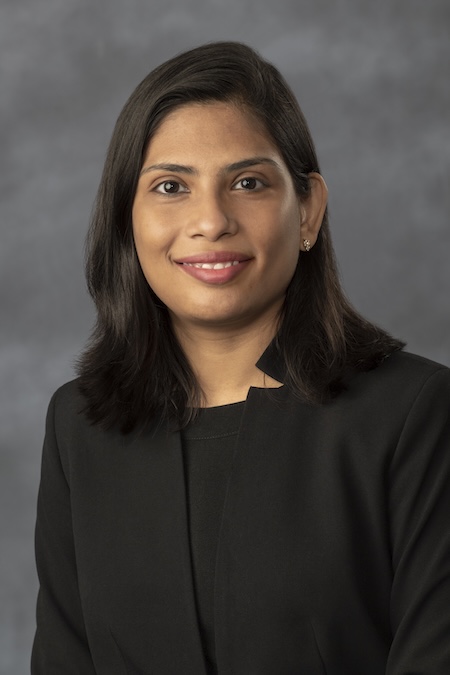
Rajeswari Jayakumar, M.D.
Pathology
I was drawn to medicine because biology feels tangible and profound. It allows us to explore the remarkable complexities of the human body. Understanding the pathology of disease, identifying its causes, and helping to treat disorders is deeply satisfying work. Medicine offers the privilege of making a meaningful difference in people’s lives while continually learning through clinical experience and scientific advancement.
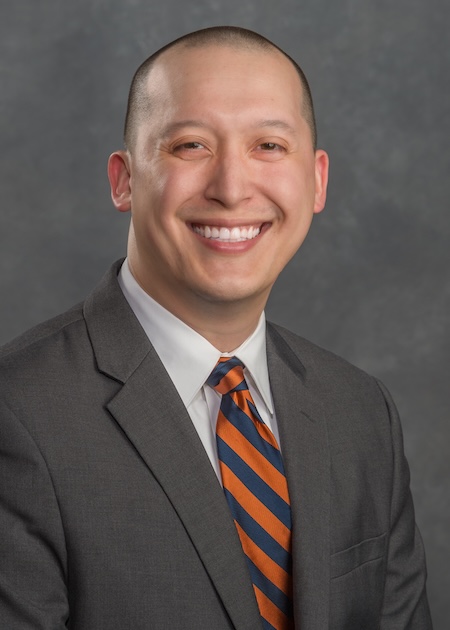
Patrick Melmer, M.D., FACS
Surgery
I was called to surgery and love it because it demands both exceptional technical skills and deep humanity on a daily basis. I have found my greatest professional fulfillment in academic surgery and surgical education. I am deeply committed to helping the next generation of surgeons grow so they can achieve their own professional and personal dreams.
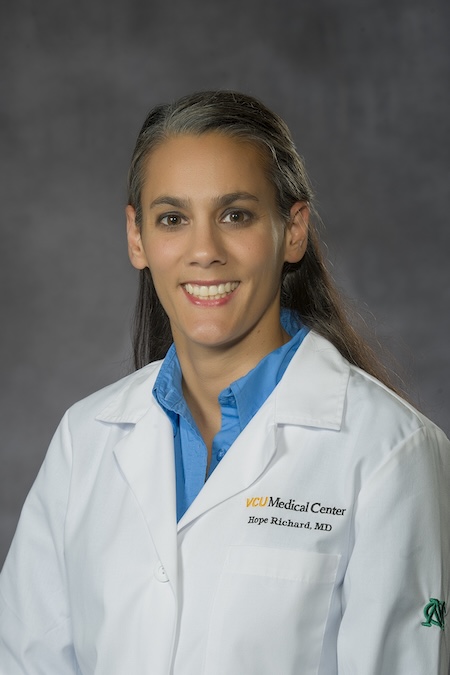
Hope Richard, M.D.
Pathology
It was during my time studying microbial physiology that my interest in medicine began to take shape. I realized that while I loved scientific discovery, I wanted my work to have a more direct and immediate impact on patients’ lives.
Choosing medicine, specifically pathology, allowed me to bring together my scientific training and my desire to contribute more tangibly to patient care.
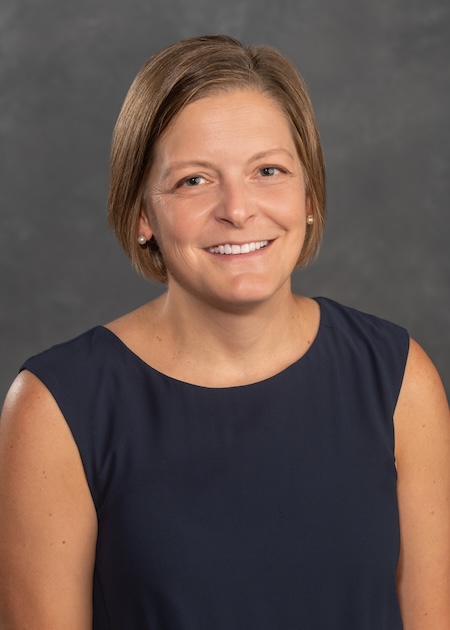
Jaime Bohl, M.D., FACS, FASCRS
Surgery
When I was in high school, my mother gave me a book titled, “Nobel Prize Women in Science,” which motivated me. In college I learned I liked working directly with people, so I majored in psychology while completing premed classes. To this day I love the personal AND scientific nature of medicine and surgery.
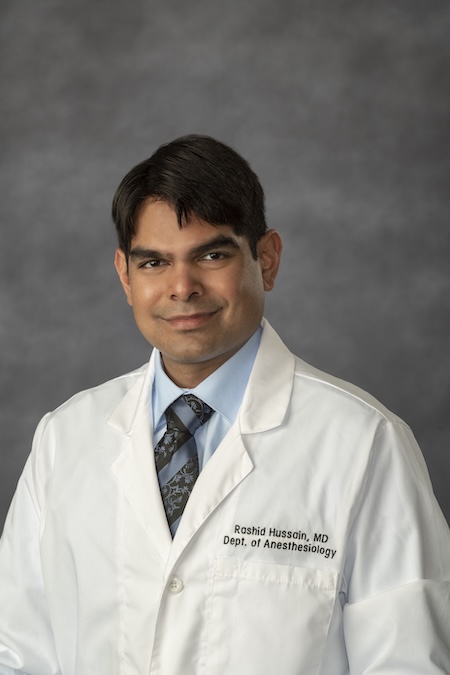
Rashid S. Hussain, M.D.
Anesthesiology
Inspired by the life of my grandparents who had lived through India’s independence movement and were visioners of a new post-colonial society, I grew wanting to lift the life of humanities downtrodden as a social advocate and healer. Witnessing the likes of tuberculosis and leprosy on my trips to the country of my origin, I was aghast at how diseases which were all but eradicated in the U.S., flourished and affected the dispossessed in others.
I committed to a career in medicine early. In all I do, I continue to see medicine as a career where, as German physician Dr. Rudolph Virchow said, “physicians … are the natural advocates of the poor and the social problem largely falls within (our) scope.”
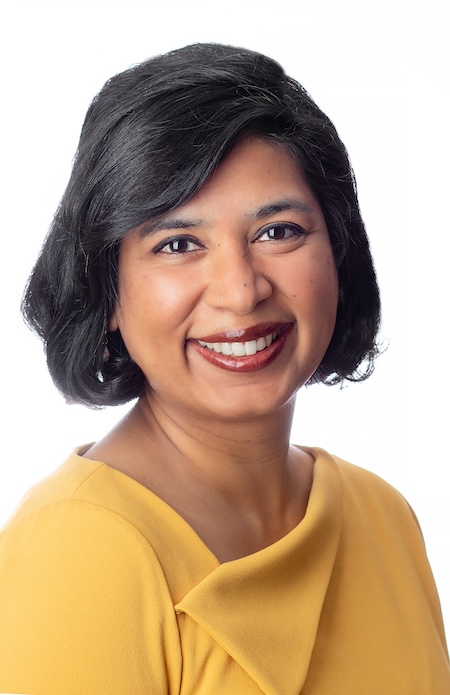
Surbhi Bansal, M.D.
Ophthalmology
I chose a career in medicine because it offers a quiet but profound way to connect with people. There is a unique fulfillment in the steady work of a clinic or the operating room, where technical precision directly translates into a better quality of life for a patient.
Whether I am teaching our residents at VCU or volunteering on a medical service trip, I feel fortunate to have a career that allows for constant learning and growth both as a physician and a person.
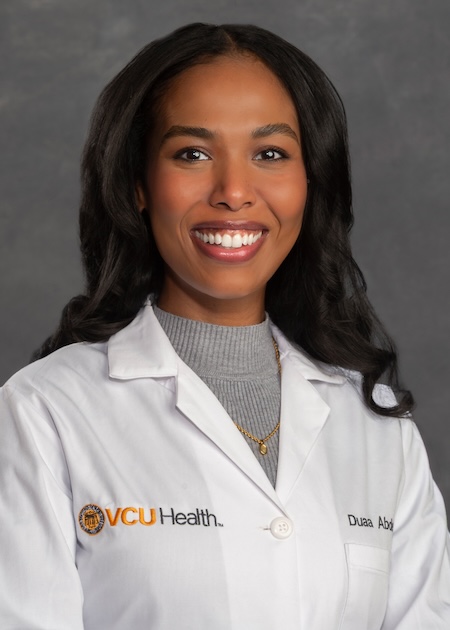
Duaa Abdel Hameid, M.D., FAAD
Dermatology
I found myself naturally drawn to a profession where I could be of service to others and was the most intrigued by science classes as a child – this naturally led me to consider a career in healthcare.
Over my high school and college years, I was lucky to work with, and be mentored by, enthusiastic and high-minded doctors who I saw connect with patients. This unique intersection of human connection, coupled with the intellectual stimulation that medicine provided me ultimately solidified my decision to pursue medicine, a decision I am eternally grateful for.
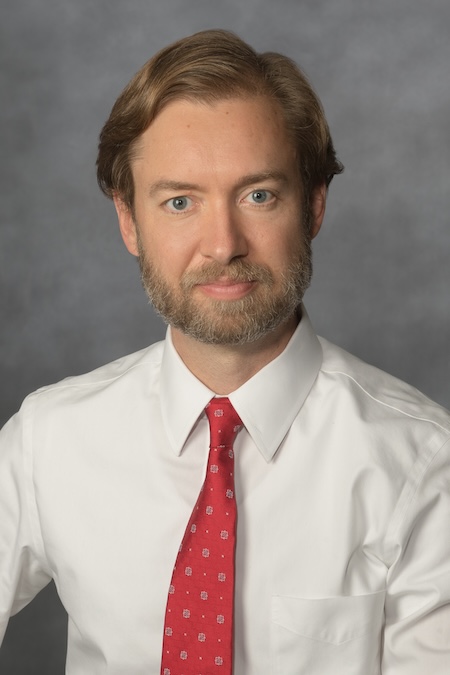
Matthew Barrett, M.D.
Neurology
My decision to become a doctor, and ultimately a neurologist, was driven by a desire to translate my interest in biology and how the brain works into work that directly improves people’s lives. I now help individuals and their families navigate neurological diseases, and I have been able to contribute to advancement in the field through research while still being able to help individual patients get the answers and solutions they seek.
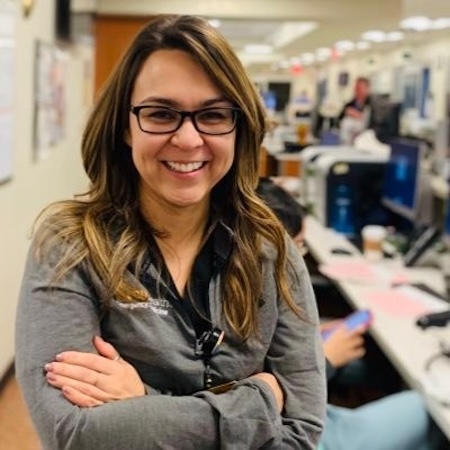
Grace Hickam Retter, M.D., MEHP, FACEP
Emergency Medicine
My interest in medicine began when I was around 14 years old, after my mother was diagnosed with cancer. I often accompanied her to appointments. While I no longer remember the specifics of those conversations, I vividly remember the physicians and nurses who put my mother at ease, and I learned early the power of a kind word and a thoughtful gesture.
While my love for emergency medicine brings me back to work each day, the reason why I chose medicine has remained constant: the opportunity to connect with people in their most vulnerable moments through a kind word, a shared laugh or a reassuring pat on the hand.
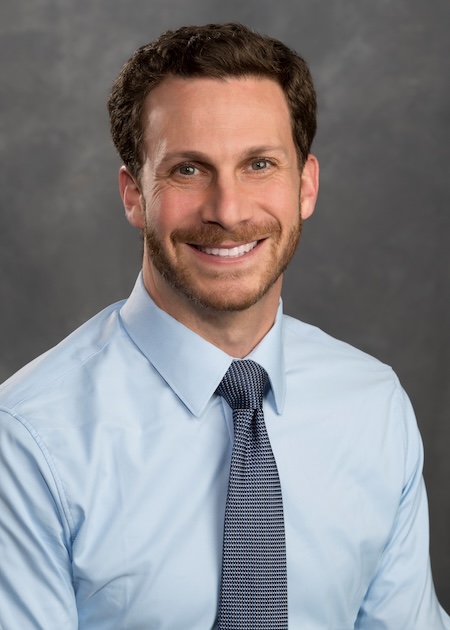
Evan Silverstein, M.D.
Ophthalmology
When I was 5 years old, my mother saw something was off with the alignment of my eyes. She asked me, “Evan, when you look at me, what do you see?” My response scared my mother: “I see two mommies, but I know which one is real because it is clearer and the other disappears when I close an eye.” Several visits with a pediatric ophthalmologist resulted in a prescription for glasses, a bilateral eye surgery, 20/20 vision in both eyes with perfect depth perception, and a fascination with how the eyes work and all things vision.