A dermatologist’s guide to hair loss treatments
VCU Health dermatologist Kimberly Salkey answers common questions about hair loss, thinning and treatments.
March 02, 2026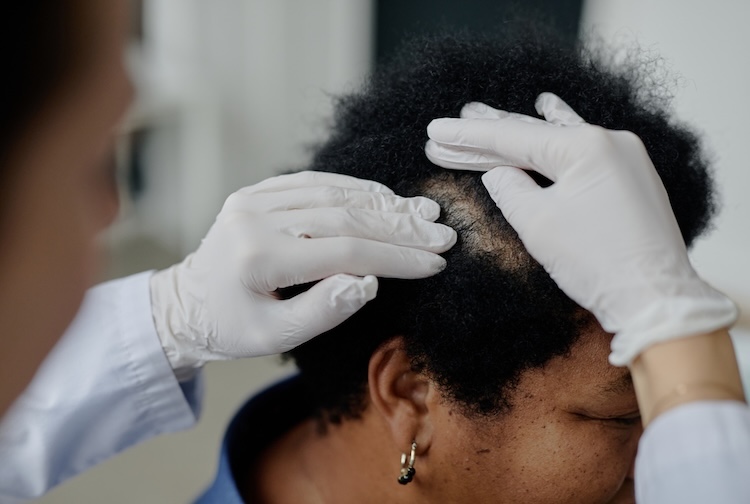 There are many factors that can cause hair loss, including genetics, hair care treatments, hormonal changes and different medical conditions, to name a few. (Getty Images)
By Sara McCloskey-Nieves
It usually happens in the smallest moments — clearing out your shower drain or catching a glimpse of a thinning part of your scalp under bright bathroom lights.
Hair loss can feel sudden and surprising. It’s a deeply personal medical condition that is one of the most common reasons why people see a dermatologist.
Kimberly Salkey, M.D., is a VCU Health dermatologist who specializes in treating patients with hair loss conditions, formally called alopecia.
“The first thing to know when considering treatments for hair loss is that there are many different types of loss, and success rates really depend on the type of hair loss and on your definition of success,” Salkey said.
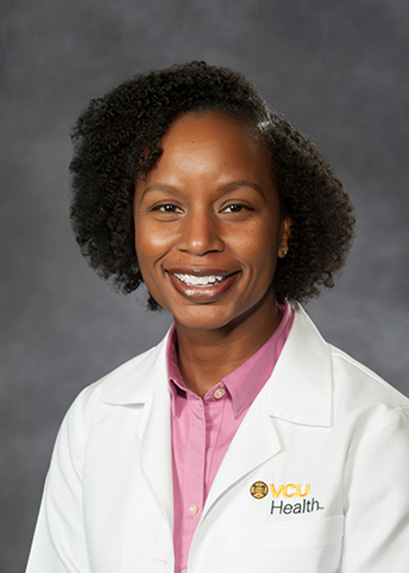 Kimberly Salkey, M.D., VCU Health dermatologist. (Enterprise Marketing and Communications)
Salkey spoke with VCU Health News about what causes hair loss and how dermatologists can treat it.
What is alopecia?
The medical term for hair loss – regardless of the cause – is alopecia (al-oh-PEE-sha). To the non-medical eye, different types of alopecia may look very similar.
A dermatologist can identify specific features that help distinguish one type of alopecia from another. Specific features of hair loss dermatologists look at include:
- Location of the hair loss (front, top, sides)
- Hair loss pattern (large or small patches, diffuse or localized)
- The scalp’s appearance in the affected area (follicle markings present or absent)
At its most basic level, alopecia is divided into two types: scarring and non-scarring. Just as the name implies, scarring alopecia results in loss of follicles and hair that cannot grow back. Fortunately, non-scarring alopecia is the more common type; it includes conditions like female or male pattern alopecia which is the most common type of alopecia.
What causes hair loss?
There are many factors that can cause hair loss. It can be caused by:
- Genetics
- Hair care treatments
- Hormonal changes from pregnancy, childbirth, menopause or thyroid problems
- Medical conditions, medicines and treatments, such as autoimmune diseases and chemotherapy, to name a few
- Nutritional deficiencies
- Physical or emotional stress
Can you grow your hair back if it’s thinning?
Yes, sometimes you can grow your hair back if it is thinning.
“Thinning” generally refers to male or female pattern hair loss. Therapies for these types of alopecia can be effective at stopping further hair loss and at regrowing thinned hairs. Usually, once hair is completely lost, like a bald scalp, no medical treatments are effective. It all depends on the cause of the loss.
How do you treat hair loss?
The most common causes for non-scarring hair loss – female or male pattern hair loss and telogen effluvium – tend to respond well to treatment when success is defined as halting any progression of hair loss and/or regrowing hair.
The U.S. Food and Drug Administration has approved several medications and treatments for hair loss in both men and women, including:
- Minoxidil (Rogaine): This medicine can help follicles grow regardless of the cause of the loss. This is an excellent option for people with all types of hair loss. One thing for users to keep in mind is that some shedding can be experienced in the first 2-6 weeks of use. This is a good sign of response because it stimulates new hairs to grow in, pushing out the old ones. It is readily available over the counter in topical form. Minoxidil is also available in a pill form with a prescription from your provider.
- Finasteride (Propecia): This pill is only FDA approved for male pattern hair loss. It has been studied in women, but their responses have not been as good. Also, it can cause birth defects, so it should not be used by those who may become pregnant. As a result, the ideal patient for use of finasteride is a male with early male pattern hair loss. This medication works by blocking the enzyme that converts testosterone to dihydrotestosterone (DHT). The role of DHT in male pattern hair loss is key. Blocking this enzyme helps most patients stabilize or partially reverse their hair loss. Finasteride works synergistically with minoxidil. In the appropriate patient, this combination can be very effective.
- Low-level light therapy: This therapy has FDA clearance and has been shown to stimulate hair regrowth. It is administered through a handheld device or caps which contain light-emitting diodes. Research on these devices is limited and has been mostly done in patients with male or female pattern alopecia. The mechanism of action (how the treatment works) is not fully understood. It can be considered a safe treatment for use alone or in conjunction with other therapies.
Can vitamin B12, biotin or collagen stop hair loss?
Vitamin B12, biotin, collagen or any vitamin supplement only help with hair growth when the patient is deficient in that vitamin. There is no research that shows taking extra vitamins improves hair growth when someone already has an adequate amount of the vitamin in their body.
What shampoo is best for thinning hair?
Shampoos can help with thinning hair by “volumizing” to make the hair appear fuller. Consumers should be aware, most volumizing products work by drying the hair. Hair that is oily tends to stick together and appear flatter. Dry hair tends have a more fluffy appearance. If you are prone to dry hair, it’s best to avoid volumizing products.
At what point should I see a doctor about hair loss?
Early diagnosis is helpful because treatments are more effective before your hair follicles become damaged. You should contact a dermatologist for an appointment if your hair is not growing back after a few months and if you begin to experience any sudden symptoms, such as:
- Rapid hair loss
- Patchy spots
- Scalp pain, itchiness and redness
If you have an appointment with VCU Health Dermatology, we will work with you to find the best options to meet your individual goals and personal health concerns.