How to safely handle pool chemicals
Avoid pool chemical exposures and keep the summer focused on fun with these expert safety tips from the Virginia Poison Center at VCU Health.
June 03, 2026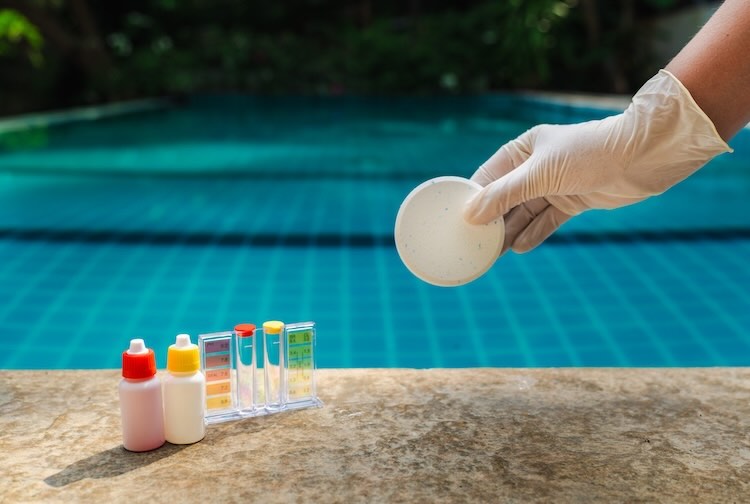 Chemicals are used in pools to keep them clean, however, mixing them can cause serious health problems. (Getty Images)
By Mia Stephens
Many families are looking forward to taking a dip in a refreshing pool. While the water may look crystal clear, poison center experts urge caution – there are hidden risks by the poolside.
According to the Centers for Disease Control and Prevention, emergency departments see nearly 4,500 visits due to pool chemical exposures each year.
“Most exposures occur during routine handling,” said John Downs, M.D., MPH, director of the Virginia Poison Center at VCU Health. “We often receive calls about mixing different chemicals, opening containers in enclosed spaces such as garages or pool sheds, inhaling fumes while leaning over containers or splashing chemicals onto the skin or eyes during use.”
VCU Health News spoke with Downs about the health risks of pool chemicals and best practices you can follow in your summer pool plans.
What are common symptoms associated with pool chemical exposures?
Symptoms can vary depending on how you are exposed.
Breathing airborne chemicals is the most common type of chemical exposure. This can cause coughing or shortness of breath; you may also feel throat irritation and chest tightness.
Chemicals that touch your skin may result in redness, irritation or burns. If chemicals get in your eyes, they can cause significant pain, tearing or blurred vision.
If pool chemical products are ingested, you may experience nausea, vomiting and – in severe situations – burns to the mouth, throat or esophagus.
While most exposures are mild, serious ones can lead to trouble breathing, persistent airway irritation or severe chemical burns.
Which products are involved in most cases, and do any of them pose a greater risk?
The most common reasons people call the Virginia Poison Center are because of exposure to:
Chlorine: Found in liquid, tablet or granular forms. In particular, chlorine tablets can cause toxic gases if they are stored in damp spaces or mixed with certain products.
Pool shock: A highly reactive product that contains calcium hypochlorite, which can burn your skin, release irritating fumes and can even start a fire or cause an explosion.
Muriatic acid: This chemical adjusts the pool’s pH. It is a strong corrosive chemical that can damage your skin, eyes and airways even with brief exposure.
Are there any dangerous chemical combinations I should be aware of?
Yes. It is dangerous anytime you mix chlorine with an acid, such as muriatic acid. This mixture creates chlorine gas that can irritate your eyes, nose and throat in a short amount of time. It can also lead to severe lung damage that might not be detected until 12 to 24 hours later.
Another lesser-known risk is mixing different types of chlorine products. For example, calcium hypochlorite (pool shock) with trichlor tablets. These combinations can generate heat, cause a fire or an explosion or release toxic gas.
What are some common mistakes people make when using pool chemicals?
Mixing chemicals is by far the most common and dangerous mistake you can make. Even if you accidentally add products close together or reuse scoopers, you can put yourself at a great risk of a chemical exposure.
Another common issue is poor ventilation. This can range from people opening containers in small spaces to someone leaning directly over and inhaling concentrated chemical fumes.
Incorrectly storing products can also cause problems. Loosely sealed containers, damp environments or putting certain products together can lead to delayed chemical reactions and unexpected exposures when containers are opened later.
Who should I call if someone has been exposed to a pool chemical?
If you or someone you know is persistently coughing, having difficulty breathing, ongoing eye or skin pain after rinsing or has swallowed a concentrated or corrosive product, call the Poison Help line (1-800-222-1222) right away. Poison specialists can help to assess the situation in real time and determine whether medical attention is needed.
For severe symptoms such as trouble breathing, chest pain or loss of consciousness, call 911 immediately.
What are some tips I can add to my pool maintenance routine to protect myself and others?
Most pool chemical exposures are preventable, especially if you take your time and pay close attention to what you’re doing. Here are some simple things you can do to prevent chemical exposures while doing routine maintenance on a pool:
- Never mix chemicals together.
- Add one product at a time into the water.
- Always use chemicals in an open area.
- Wear protective gear such as gloves and goggles when handling these substances.
- Use clean, dedicated tools for each product – do not reuse the same scoop or tools for different products.
- Store chemicals in a cool, dry, secure place with good airflow and out of reach of children and pets.
- Pay close attention to labels and storage conditions to prevent unintended chemical reactions.
By taking a few extra precautions, you can significantly reduce your risk of exposure and focus on making fun memories at the pool.
 The Virginia Poison Center at VCU Health often receives over the summer about pool chemical exposures. (Dean Hoffmeyer, Enterprise Marketing and Communications)