Why does RSV make babies and older adults very sick?
VCU Health experts break down why the youngest and oldest patients are the most vulnerable to this respiratory illness.
October 15, 2026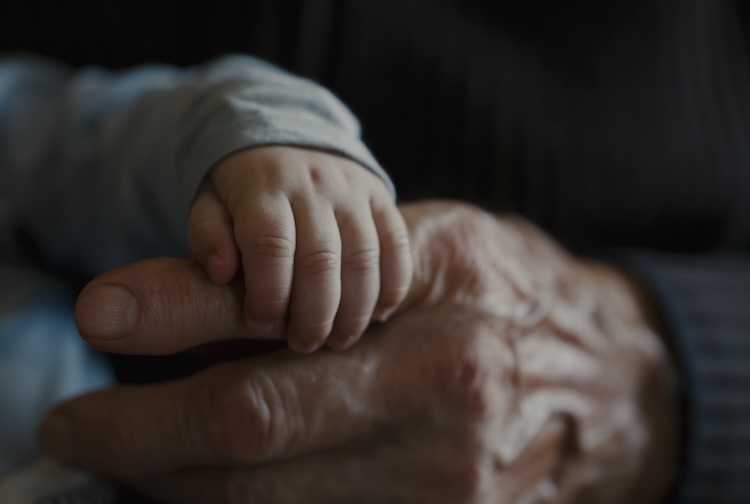 Respiratory syncytial virus (RSV) is a contagious respiratory illness that affects the nose, throat and lungs. (Getty Images)
What do babies and grandparents have in common during respiratory illness season?
For respiratory syncytial virus (RSV), age plays a big role in how your body handles the virus.
“RSV can be dangerous for older adults because while people age, their immune systems get weaker,” said Gonzalo Bearman, M.D., an infectious disease expert at VCU Health. “This population is also more likely to have other medical conditions, which can make the respiratory illness more severe.”
“Since babies are so small, they are at more risk because their smallest airways can completely close over when they get RSV — making it harder for them to get oxygen to their blood — which we all know is very important,” said Sean McKenna, M.D., a pediatrician at Children’s Hospital of Richmond at VCU. “Those little ones may get so sick that they need to be hospitalized and connected to a breathing machine to get them through the infection.”
Being aware of RSV symptoms can help families know when the illness can be safely managed at home or when it’s time to go to the doctor.
VCU Health News spoke with Bearman and McKenna to learn more about RSV symptoms and why babies and grandparents are more vulnerable if they get sick with this respiratory illness.
What are the symptoms of RSV?
RSV is a contagious respiratory illness that affects the nose, throat and lungs. For most people, the virus causes cold-like symptoms and does not make them severely ill.
However, for babies, young children, older adults and people with conditions that can weaken their immune systems, RSV can make them severely sick and develop other illnesses, like bronchiolitis or pneumonia.
Common RSV symptoms include:
- Fever
- Cough
- Sneezing
- Shortness of breath
- Decreased energy
- Sore throat
- Headaches
- Runny nose
What are the differences between RSV, the flu and COVID-19?
RSV, the flu and COVID-19 all start with very similar symptoms, like the ones mentioned above. Flu and COVID-19 are more likely to cause body aches or muscle pain; sometimes these illnesses will also cause nausea and diarrhea.
The only way to know for sure which of these illnesses you may have is to get tested.
Are RSV symptoms different for children compared to adults?
While everyone who gets RSV gets a runny nose, sore throat, cough and often a fever, babies will struggle more with their breathing because they have small airways.
Unlike adults, babies and small children cannot tell us that they feel sick or describe their symptoms to a doctor. So, there are some other signs that they might not be feeling well.
Other RSV symptoms seen in children include:
- Irritability
- Decreased activity
- Poor feeding or trouble swallowing
- Short periods without breathing (apnea)
Why does RSV make babies and small children very sick?
Other viruses that make kids sick mainly affect their noses and throats. With RSV, the virus causes inflammation and increased mucous all along the respiratory system, including the smallest airways, the last tubes that carry air to our alveoli where oxygen reaches the blood stream.
Simply put: A baby’s small size makes them more vulnerable if they get sick with RSV.
Why are older adults at high risk of getting severely ill from RSV?
While it might start out seemly like a common cold, RSV can develop into serious illnesses, like severe pneumonia or bronchitis, in older adults because their immune systems are weaker. The same goes for people with chronic lung disease or immune compromised conditions.
When should I call a doctor for RSV symptoms?
Older adults should call the doctor or seek medical attention if their symptoms are getting worse or are not improving, especially if they begin to affect breathing and their ability to keep fluids down.
“After coming down with RSV, you should contact your doctor if you have a high or persistent fever that is not responding to fever-reducing medications, chills, shortness of breath or a severe cough,” Bearman said. “Also, if you have any signs of low oxygen — bluish or gray color in lips or fingernails — or a change in mental state, you need to immediately seek medical care.”
If your child looks sick and you are beginning to feel worried, McKenna says to call the doctor’s office to check in.
Other alarming RSV symptoms for children include:
- Wheezing or breathing loudly
- Short, shallow or rapid breathing
- Having trouble breathing, with skin pulling in between or around the ribs and collarbone (retractions)
- Nostrils flaring
- Getting dehydrated, less than 1 pee every 8 hours
- Bluish or grayish color of the skin, lips or fingernails (cyanosis)
When it comes to fevers, call the doctor if a child 3 months old or younger has a fever. For older kids, call if they have a fever for five days — even if they look fine otherwise.
“If families are not vaccinating their children, then most of these rules no longer apply,” McKenna said. “Those cases are more complicated and more dangerous. Children without vaccines are at much higher risk for serious infections. Those parents should ask their doctors what criteria should be used for deciding when to contact them.”
How is RSV treated?
People who are very sick with RSV are hospitalized to ensure they maintain their nutrition, hydration and oxygen levels.
How can I best protect my family from RSV?
There are several different RSV vaccines and medications available for specific populations.
The RSV vaccine is recommended for for adults aged 75 and older adults ages between 50 and 74 at increased risk of severe RSV illness as well as pregnant people, who can pass immunity to the virus to their newborns. A baby version of that medication can be given to infants under 8 months, providing 6 months of protection.
“Babies are seeing many of these infections for the first time and have no preparation for them. Parents can use their vaccine to prepare for their baby’s first infection and do a better job getting through it. That's why we want everyone to get all of their vaccines,” McKenna said.
“If you are eligible, get the vaccine,” Bearman added. “Also, consider avoiding crowded indoor environments or family gatherings if you are sick with an upper respiratory virus. If you are at high risk of contracting illnesses, you should also think about wearing a facemask when you’re in crowded places indoors.”