

West Nile virus 101: Symptoms and signs of the mosquito-borne illness
Insights from a VCU Health hospital epidemiologist on the most common illness spread by mosquitoes in the continental United States.
July 30, 2026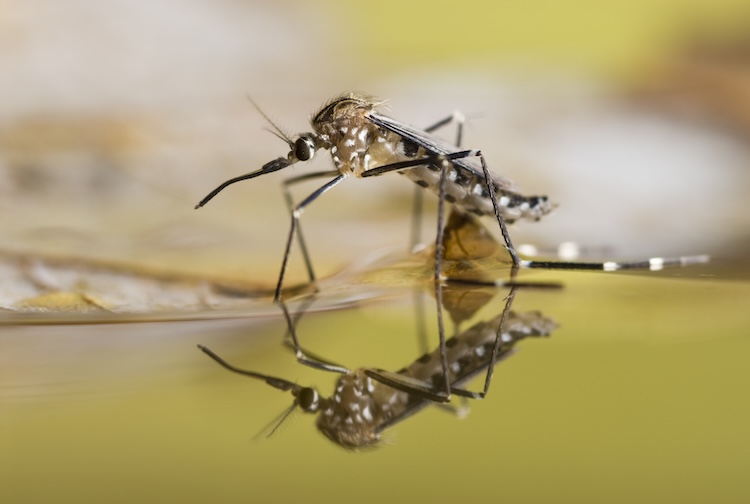 According to the Centers for Disease Control and Prevention, West Nile virus cases typically peak in late August to early September. (Getty Images)
 Patrick R. Ching, M.D., MPH, FACP, hospital epidemiologist at VCU Health. (Enterprise Marketing and Communications)By Sara McCloskey-Nieves
West Nile virus was detected in a group of mosquitoes collected on Langley Air Force Base in Hampton, Virginia, in late July.
With more than 2,000 people diagnosed each year, it’s the most common mosquito-borne illness spread in parts of the United States. However, health officials say this number is underestimated since most people don’t realize they have it.
“Most infections are never recognized because approximately 75% of infected individuals have no symptoms at all,” Patrick R. Ching, M.D., MPH, FACP, a hospital epidemiologist at VCU Health and an assistant professor in the Division of Infectious Diseases at Virginia Commonwealth University School of Medicine. “About 1 in 4 people will develop mild, flu-like symptoms from West Nile virus, and rarely 1 in 150 people develop severe neuroinvasive disease.”
VCU Health News spoke with Ching about the mosquito-borne illness and how you can protect yourself and your loved ones from it.
What are the most common symptoms of West Nile virus?
Most persons with West Nile virus infection do not develop symptoms. Approximately 25% of people who contract the West Nile virus will develop West Nile fever. Symptoms of West Nile fever are typically mild and are similar to other viral illnesses, lasting from a few days to several weeks.
West Nile virus symptoms include:
- Fever
- Headache
- Weakness
- Rash
- Muscle pain
- Pain behind the eyes
- Decreased appetite
- Nausea and vomiting
- Diarrhea
About 1 out of 150 people with West Nile virus develop severe neuroinvasive disease which involves the brain and the spinal cord.
These patients may experience neck stiffness, disorientation, convulsions, muscle weakness, paralysis and coma. Approximately 1 in 10 people die of West Nile neuroinvasive disease.
If I think I have West Nile virus, when should I seek medical care?
People should seek medical attention after a mosquito bite if they develop severe symptoms, such as:
- High fever
- Severe headache
- Neck stiffness
- Confusion
- Difficulty walking
- Tremors
- Muscle weakness
- Paralysis
- Seizures
- Changes in mental status
These can be signs of neuroinvasive disease, such as meningitis or encephalitis, which requires urgent medical evaluation.
Who is most at risk for serious illness from West Nile virus?
People over the age of 50 and those with weakened immune systems — organ transplant recipients, those receiving cancer treatment and others receiving medications that suppress the immune system — are at highest risk of West Nile neuroinvasive disease.
West Nile neuroinvasive disease can lead to long-lasting neurologic abnormalities such as loss of concentration, memory loss, hearing loss, weakness, difficulty walking, confusion and lightheadedness.
How can I protect myself from mosquito bites and West Nile virus?
Preventing mosquito bites is the best way to avoid contracting the West Nile virus.
People living in or traveling to areas with West Nile virus can wear long sleeves and long pants when outdoors, especially during dawn and dusk when mosquitoes are most active. They should also use insect repellents containing DEET, picaridin or oil of lemon eucalyptus.
Ensuring window and door screens are in good condition as well as removing standing water around homes, including birdbaths, flowerpots, buckets, gutters and other containers where mosquitoes breed are helpful. Mosquito nets should be used when sleeping outdoors.
Touching dead birds with bare hands should be avoided.
Is there a vaccine or specific treatment for West Nile virus?
Currently, there is no approved human vaccine and no antiviral treatment for West Nile virus.
Treatment is supportive and focused on managing symptoms. Most people with mild illness recover at home with rest, fluids, and symptom management. Patients with severe disease, often require hospitalization for close monitoring and supportive care.
How concerned should I be about the West Nile virus being detected in my area?
West Nile virus is present in Virginia, typically active during summer and early fall when mosquitoes are abundant. This should not be a cause of alarm as the key concern is mosquito exposure, not the detection of the virus itself from mosquito trap sites. If mosquitoes are active in your area, take the necessary precautions as above.
Stay informed, stay healthy. Sign up for VCU Health’s e-mail newsletter.

.jpeg)