Pauley researchers aim to slow heart disease in Duchenne muscular dystrophy patients
A Small Business Innovation Research grant from the National Institutes of Health will support research into a promising therapy designed to reduce cardiac inflammation
November 20, 2026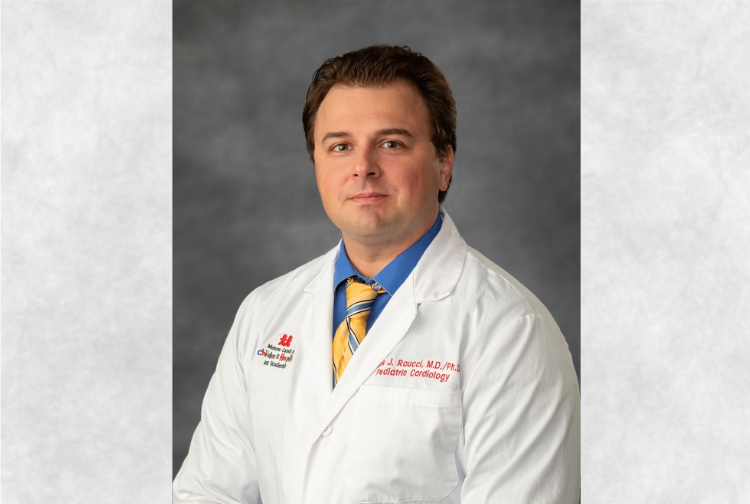
by Tanner Lambson
Duchenne muscular dystrophy (DMD) is the most common form of muscular dystrophy in children, affecting approximately 1 in every 3,500 to 5,000 male births worldwide. Caused by mutations in the gene that produces dystrophin, a protein that helps protect muscle cells from injury by acting as a molecular ‘shock absorber’, DMD leads to progressive muscle weakening and damage throughout the body, including the heart.
As advances in respiratory care and other treatments help people with DMD live longer, heart disease has emerged as a leading cause of death for many patients, creating an urgent need for therapies that preserve heart function over time.
Researchers at VCU Health Pauley Heart Center and Children's Hospital of Richmond at VCU are working to address that challenge through a $350,000 National Institutes of Health Phase I Small Business Innovation Research (SBIR) grant. The award will support research into a promising therapy designed to reduce inflammation and fibrosis, or scar tissue formation, in the hearts of patients with Duchenne-related cardiomyopathy.
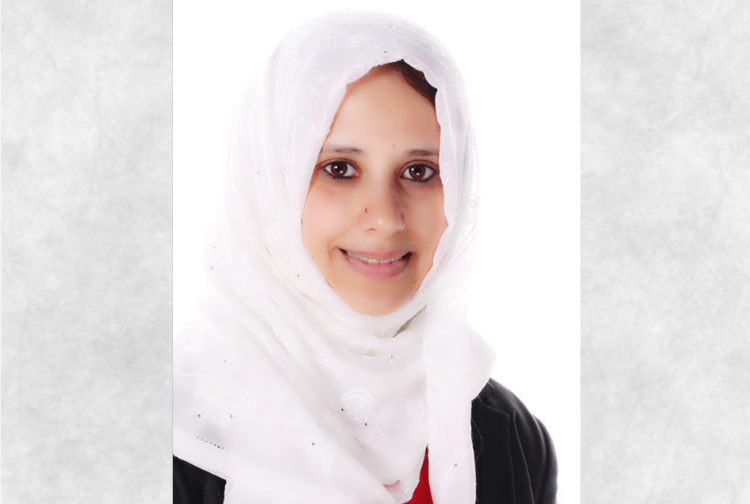
The research team, led by Frank Raucci, MD, PhD, and Fadi Salloum, PhD, is studying a novel small-molecule therapy designed to limit the inflammation and scarring that contribute to heart damage in DMD.
In Duchenne muscular dystrophy, the absence of dystrophin leaves muscle cells vulnerable to repeated injury. Over time, the body replaces damaged muscle tissue with fibrous scar tissue. In the heart, that scarring can stiffen and weaken the muscle, reducing its ability to pump blood effectively and eventually leading to heart failure.
"We see that [inflammation and scar formation] occurs early in boys with Duchenne," said Raucci, Jane Maysville Owens Page Professor in Pediatrics at the VCU School of Medicine. "If we target and are able to modify that progression, then hopefully we can slow down, if not stop, that inflammation and scarring and preserve heart function longer, which would be a big deal for patients with DMD."
With cardiac MRI, clinicians can detect signs of inflammation and early fibrosis in some boys with Duchenne as young as 7 or 8 years old, often years before significant symptoms develop. By intervening earlier, researchers hope to delay or reduce the cardiovascular complications that emerge later in life.
The project, titled "Novel small molecule for the prevention and treatment of DMD cardiomyopathy," builds on VCU Health's established expertise in Duchenne care and research. Children's Hospital of Richmond at VCU is recognized as a Certified Duchenne Care Center by Parent Project Muscular Dystrophy and operates a multidisciplinary clinic that brings together specialists in cardiology, neurology, pulmonology, physical medicine and rehabilitation, genetics and other disciplines to coordinate care for patients throughout childhood and adulthood.
The program attracts patients from across Virginia and beyond and participates in national clinical and imaging research collaborations.
Raucci and Salloum believe the therapy's effects may eventually extend beyond the heart.
"What attracted us to this molecule is learning its exact mechanism of action and how it works," said Salloum, senior associate dean for research at the VCU School of Medicine and Natalie N. and John R. Congdon senior endowed chair at Pauley Heart Center. "Our hope is that it can help reduce fibrosis throughout the body in affected skeletal muscles, not just in the heart."
As a Phase I SBIR project, the study will focus on generating the preclinical evidence needed to evaluate the therapy's safety and effectiveness and lay the groundwork for future translational studies and clinical trials.
Ultimately, the investigators hope their work will lead to new therapies that target the biological pathways driving Duchenne-related heart disease before irreversible damage occurs.
"We are hoping that with more therapies that target the specific and somewhat unique pathways that are present in Duchenne-related heart disease, we can see patients who have less difficulties with cardiovascular disease overall," Raucci said.