Parkinson’s disease patient guide: Symptoms, treatments and specialists to see
From warning signs to new clinical trials, the director of the VCU Parkinson’s and Movement Disorders Center breaks down what patients and caregivers need to know about this progressive brain disorder.
September 23, 2026 The VCU Parkinson’s and Movement Disorders Center is the only Parkinson’s Foundation Center of Excellence in Virginia, and one of 46 in the United States. (Getty Images)
By Sara McCloskey-Nieves
Patients and caregivers navigating a Parkinson’s disease diagnosis need specialized care, expert advice and a clear plan.
While Parkinson’s disease is complex, managing it shouldn’t be. That’s why many patients turn to the comprehensive expertise of VCU Health Neurosciences and the VCU Parkinson’s and Movement Disorders Center.
“Not only do several specialized care providers see a patient during a single visit, but our team also engages with other VCU Health team members across a wide range of specialties,” said Brian Berman, M.D., MS, chief of the Movement Disorders Division in VCU Health Neurosciences and director of the VCU Parkinson’s and Movement Disorders Center. “Both strategies lead to a comprehensive and holistic approach to treat Parkinson’s patients and help them live their best lives.”
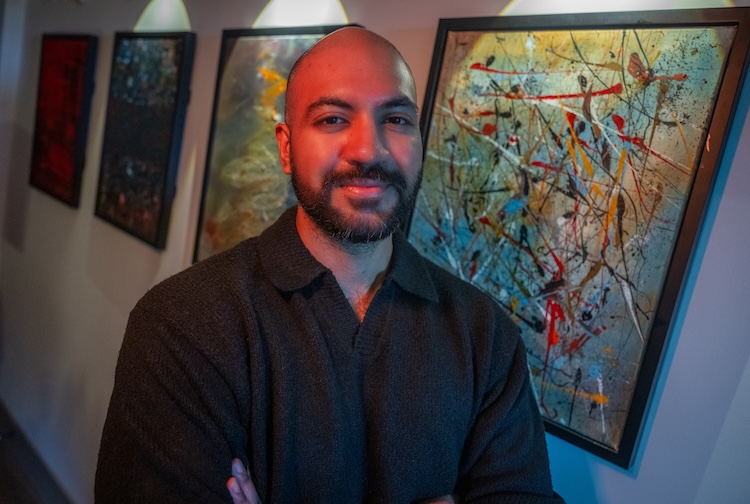
 Brian Berman, M.D., MS, is the chief of the Movement Disorders Division in VCU Health Neurosciences and director of the VCU Parkinson’s and Movement Disorders Center. (Enterprise Marketing and Communications)
As the only Parkinson’s Foundation Center of Excellence in Virginia, VCU Health is among a nationally recognized group of hospitals for its multidisciplinary approach to caring for patients with Parkinson’s. VCU Health News spoke with Berman about Parkinson’s disease, treatment options and VCU Health’s approach to care.
What is Parkinson’s disease?
Parkinson’s disease is a progressive brain disorder that affects movement and the nervous system. According to the Parkinson’s Foundation, nearly one million people in the U.S. are living with it, and another 90,000 people are diagnosed each year.
How is Parkinson’s disease diagnosed, and what tests are performed?
Parkinson’s disease is still primarily diagnosed through a detailed history and neurological examination. A variety of specialized tests may be used to further support the diagnosis or help rule out other conditions that mimic Parkinson’s, including an imaging study, called DaT-SPECT, which looks for the loss of dopamine-producing brain cells and a skin biopsy test that detects an abnormal protein linked to Parkinson's.
What are the subtle early warning signs of Parkinson's disease that I should contact my doctor about?
An early warning sign of Parkinson’s disease is REM Sleep Behavior Disorder, which is a neurological disorder where someone vocally or physically acts out their dreams. Those with this condition often go on to develop Parkinson’s.
Other early signs of Parkinson’s disease include:
- Smaller handwriting
- Softer or more hoarse voice
- Slowing of or difficulty with movements
- Presence of tremor
- Stiffness or tightness on one side of the body
If you or others notice any of these symptoms and they seem out of proportion to normal aging, I recommend you speak with your doctor. Another potential early sign of Parkinson’s can be a loss of a sense of smell, however, there are many reasons why someone might lose this so I wouldn’t recommend contacting your doctor about this unless you also have another subtle warning sign.
When should I see a movement disorder specialist instead of a general neurologist?
If a general neurologist suspects Parkinson’s disease or a related condition, they may refer you to see a movement disorders specialist to confirm the diagnosis or to get access to more advanced treatment options, including clinical trials.
How do physical, occupational and speech therapies help manage Parkinson’s symptoms?
Physical, occupational and speech therapists play an integral role in the treatment of symptoms associated with Parkinson’s disease.
- Physical therapists work with patients to help improve their strength, balance and walking. They are critical for helping reduce the risk of falls and also help develop exercise programs that can help slow disease progression.
- Occupational therapists focus their efforts on helping patients maintain functional independence and their ability to perform daily activities, as well as ensuring that their living environment is safe and optimized for their condition.
- Speech therapists help our Parkinson’s disease patients speak louder and more clearly, and make sure they can swallow safely and without choking. They also use different types of engaging exercises to help patients maintain and improve their cognitive abilities.
What treatments are available for Parkinson's disease?
While there is currently no cure for Parkinson’s disease, there are a wide range of medical, surgical and supportive treatment options available to help manage the symptoms associated with the condition, maintain function and improve a patient’s quality of life.
At what point should I consider deep brain stimulation or focused ultrasound, and how do these procedures work?
Surgical treatment options such as deep brain stimulation and focused ultrasound are often considered when oral medications for Parkinson’s disease lose their effectiveness or cause bothersome adverse effects, like dyskinesia.
VCU Health neurosurgeons are trained and equipped to perform these innovative procedures, which work by disrupting circuits in the brain that are not operating normally, either with electrical stimulation or focused ultrasonic beams. These methods can lead to dramatic improvements in some motor symptoms such as tremors.
As every individual with Parkinson’s disease is unique, these procedures may not be right for everyone. A patient can discuss with their neurologist whether they think one of these procedures might be right for them. At VCU Health, patients may be evaluated in our multidisciplinary Advanced Therapeutics Clinic to see if they are good candidates for surgical interventions.
Are there clinical trials for new Parkinson’s treatments available at VCU Health?
Yes, we have clinical trials for Parkinson’s that test innovative approaches to slow disease progression, including a monoclonal antibody and an oral medication that may reduce brain inflammation. We also have clinical trials testing novel treatments for motor and non-motor symptoms in Parkinson’s, such as a cutting-edge trial evaluating a stem cell treatment.
What makes a Parkinson’s Foundation Center of Excellence different from a standard clinic?
As a Parkinson’s Foundation Center of Excellence, we have a full team of specialized and experienced experts under one roof.
We provide comprehensive and integrated care for patients across the disease spectrum, from those who have subtle signs and are newly diagnosed to individuals who are in later stages of the condition and need advanced therapeutic approaches to optimize their treatments.
Our patients also have access to the latest treatments available through research studies and clinical trials. We further provide patients, caregivers and family members with educational opportunities to learn more about the latest advances being made in treating Parkinson’s disease.