MASLD and heart disease: What a fatty liver can tell you about cardiovascular risk
A VCU Health expert breaks down the connection between fatty liver disease and how it can impact heart health.
October 23, 2026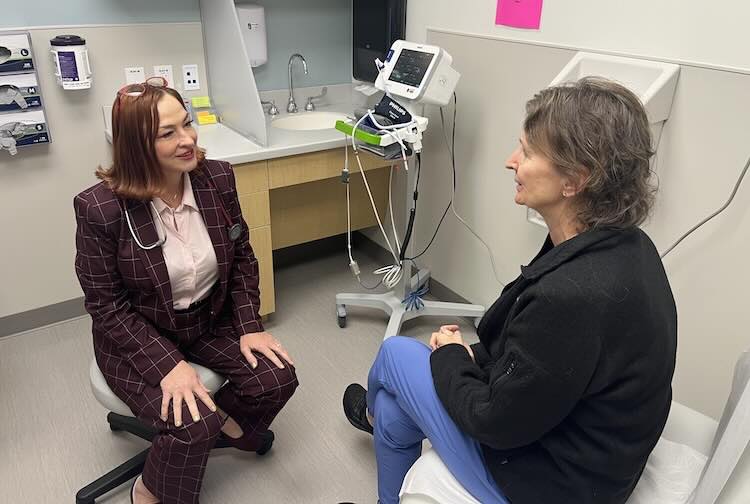 El Summers, DMSc, PA-C, a physician associate specializing in preventive cardiology and cardiometabolic health. (Tanner Lambson, VCU Health Pauley Heart Center)
By Tanner Lambson
Most people think of fatty liver disease as a liver problem. But in its early stages, the greater danger may be to the heart.
Metabolic dysfunction-associated steatotic liver disease, also known as MASLD or simply fatty liver disease, occurs when excess fat builds up in the liver, frequently in people with conditions like obesity or diabetes. It affects roughly 1 in 3 adults and often causes no symptoms.
“For many people with MASLD, cardiovascular disease is a greater threat to long-term health than liver complications," said El Summers, DMSc, PA-C, a physician associate specializing in preventive cardiology and cardiometabolic health at the VCU Health Pauley Heart Center and the Stravitz-Sanyal Institute for Liver Disease and Metabolic Health at VCU.
Recognizing the increased cardiovascular risk of patients with MASLD, Pauley cardiologists joined with the liver institute’s to take a proactive approach to care and create a multidisciplinary, outpatient clinic. Summers sees patients in this clinic, which brings liver and heart specialists together with experts in nutrition, behavioral health and physical activity. The team works together to understand each patient’s risks and develop a coordinated care plan.
VCU Health News spoke with Summers to learn more about the link between MASLD and heart disease, who should be screened, and more.
What is MASLD?
MASLD is a medical condition that causes fat to build up in the liver due to underlying metabolic problems such as obesity, insulin resistance, high cholesterol or diabetes. Many people have no symptoms, though some experience fatigue or discomfort in the upper right side of the abdomen. MASLD is often discovered through routine blood work showing elevated liver enzymes or through imaging tests performed for another reason.
How does MASLD affect heart health?
Cardiovascular disease is a leading cause of death among people with MASLD. Studies link MASLD with increased risk of coronary disease, heart failure and other conditions. The amount of risk varies from person to person and is affected by liver scarring and other health conditions.
When fat builds up in the liver, it can cause:
- Inflammation: Metabolic dysfunction and liver inflammation can contribute to processes that promote atherosclerosis, or plaque buildup in the arteries.
- Scarring: Also known as fibrosis, which can lead to cirrhosis or liver failure.
- Insulin resistance: The body becomes less responsive to insulin, increasing the risk of type 2 diabetes and cardiovascular disease.
These metabolic changes can begin long before heart disease causes symptoms. MASLD also occurs in children, making early attention to metabolic health important across the lifespan.
Does MASLD only occur in people with obesity?
No. Obesity is a major risk factor for MASLD, but MASLD also occurs in people with diabetes, insulin resistance, high blood pressure, elevated cholesterol and other metabolic conditions.
How can I find out if I'm at risk of developing MASLD?
Start with your primary care provider. If MASLD is suspected or diagnosed, your provider may calculate a FIB-4 score, a blood test developed by VCU Health hepatologist Richard Sterling, M.D., and colleagues. The FIB-4 score uses a patient’s age, liver blood tests, and platelet count to help identify people who may have significant liver scarring and need further testing. It does not diagnose MASLD or measure scarring directly.
What should someone newly diagnosed with MASLD do to protect their heart and liver, and how should they be monitored?
Protecting your heart and liver often start with the same steps: maintaining a healthy weight, staying physically active, managing blood pressure, and controlling blood sugar and cholesterol.
Your care team can help determine the right blood pressure and cholesterol goals based on your overall health.
Some patients may benefit from additional tests to better understand their cardiovascular risk.
Treatment may include changes in nutrition and physical activity, weight management, and medications when needed. We follow patients over time and adjust their care based on their individual needs and response to treatment.
Are there warning signs of heart disease for people with MASLD?
Atherosclerosis can develop silently for years, although some patients do develop warning symptoms. New chest discomfort, exertional shortness of breath, unexplained reduced exercise tolerance or other concerning symptoms deserve prompt medical evaluation. Severe or persistent chest pain warrants emergency care.
Instead of waiting for symptoms, look at your risk factors for both MASLD and heart disease:
- Waist circumference
- Body mass index (BMI)
- Family history of heart disease
If you have a family history of heart disease and a MASLD diagnosis, talk to your doctor about your heart health. If you haven't been diagnosed with MASLD but have a higher BMI or waist circumference, ask your primary care provider whether you could have MASLD or heart disease.
How are newer therapies changing care for heart disease and MASLD?
Newer medications, including GLP-1-based therapies, are changing how we treat obesity, diabetes, and related heart and liver conditions. Research involving Arun Sanyal, M.D., director of the Stravitz-Sanyal Institute for Liver Disease and Metabolic Health at VCU, has shown that semaglutide, the medication in Wegovy and Ozempic, can reduce major cardiovascular events in certain high-risk patients and improve measures of fatty liver disease.
Several GLP-1-based medications have demonstrated cardiovascular benefits, although their FDA-approved uses differ depending on the medication and the patient's medical conditions. Research also shows benefits for some patients with obesity-related heart failure, and studies continue to explore effects on atrial fibrillation and other cardiovascular conditions. These treatments do not replace established heart failure therapies or comprehensive cardiovascular care.
What is the biggest misunderstanding about MASLD and heart disease?
Many patients have never connected the liver and the heart. They think, "I have liver disease," not "I have fat or inflammation in my liver that is putting me at risk for heart disease.”
We need to stop thinking about fatty liver disease as something that happens only in the liver. It may be an early visible sign that metabolic health is changing. If we recognize that signal early, we have an opportunity to intervene before a patient develops a heart attack, heart failure or advanced liver disease. That is why multidisciplinary care matters: we are not just treating disease; we are working together to prevent what comes next.
Your health matters. Sign up for updates and tips from our VCU Health care team today.