Chronic pancreatitis treatment: What to know about TP-IAT surgery
A VCU Health expert breaks down chronic pancreatitis symptoms and when to consider a unique procedure to treat persistent stomach pain.
November 10, 2026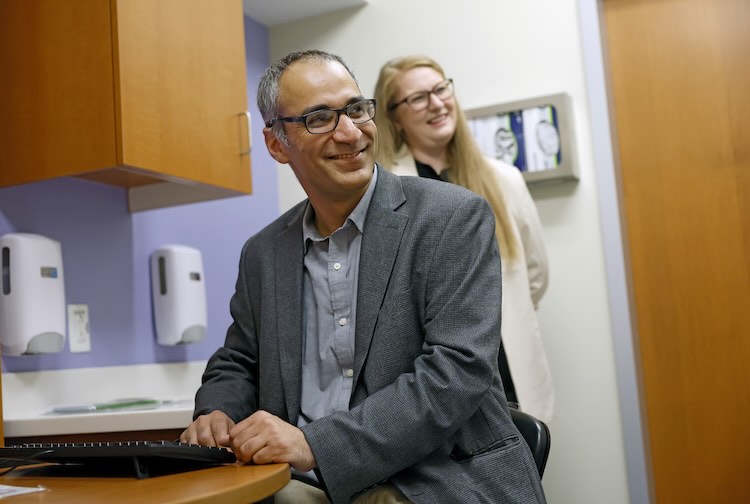 Aamir Khan, M.D., is the director of the adult and pediatric total pancreatectomy with islet cell autotransplantation (TP-IAT) programs at VCU Health Hume-Lee Transplant Center. (Enterprise Marketing and Communications)
By Sara McCloskey-Nieves
Chronic pancreatitis is more than occasional stomach pain.
For some people, the long-term inflammatory condition can affect nearly every aspect of daily life because of unpredictable or persistent symptoms.
Fortunately, some patients are finding relief with an innovative treatment called total pancreatectomy with islet cell autotransplantation (TP-IAT).
“If you’re living with chronic pancreatitis pain, know that you’re not out of options, and you don’t have to live like this forever,” said Aamir Khan, M.D., director of the total pancreatectomy with islet cell autotransplantation program at VCU Health Hume-Lee Transplant Center. “There is hope, and starting a conversation is the first step toward feeling better.”
VCU Health is one of only a handful of hospitals in the country that perform this procedure, and its TP-IAT program is recognized as a National Pancreas Foundation Center of Excellence for its expertise and multidisciplinary patient care. This unique surgery is Khan’s specialty.
“What drives me is seeing how much pain this disease can cause — and knowing that, with the right care, we can offer answers and help you get your life back,” he said.
Khan was recently featured on the “Healthy with VCU Health” podcast. He spoke about chronic pancreatitis symptoms and how TP-IAT surgery can improve patients’ quality of life.
What is the pancreas and what does it do?
The pancreas is a large, tadpole-shaped gland located deep in your belly that plays two very important roles: it helps your body digest food and regulates blood sugar levels by producing hormones like insulin. When the pancreas isn't working properly, it can have a major impact on your overall health.
What is chronic pancreatitis?
Chronic pancreatitis is a condition where your pancreas becomes inflamed over a long period of time. Instead of healing, the pancreas slowly gets damaged. This can lead to the development of ongoing pain, trouble digesting food and sometimes diabetes.
Unlike a one-time flare up, this is something that doesn’t go away on its own and often gets worse over time.
What are chronic pancreatitis symptoms? Who is most at risk of chronic pancreatitis?
Some of the most common symptoms of chronic pancreatitis are:
- Severe, persistent belly pain
- Nausea
- Weight loss
- Diarrhea or greasy stools
Alcohol and gallstones seem to be the most common causes of chronic pancreatitis, but certain lifestyle factors like drug and tobacco use can also increase the risk.
Mostly adults are affected, but children can also develop it, too, especially those with genetic mutations or autoimmune diseases.
What can happen if chronic pancreatitis isn’t treated?
If chronic pancreatitis goes untreated, the pain often gets worse and harder to control. Over time, you can lose your ability to digest food properly and may develop diabetes. Many people find they can’t work, sleep or enjoy daily life. That’s why getting the right care early on is so important — we want to stop the disease from taking over your life.
If you’ve had pancreas pain for a long time and it’s affecting how you live, that’s a sign to talk with a specialist.
How do you treat chronic pancreatitis?
Most patients with chronic pancreatitis are first managed with medications, lifestyle modifications, nutritional support and sometimes advanced endoscopic care.
If these treatments fail to control your symptoms, we evaluate you to see if you are a good candidate for total pancreatectomy with islet cell autotransplantation (TP-IAT).
TP-IAT is a surgery where we remove the diseased pancreas and then carefully isolate and purify the patient’s own islet cells. After they are isolated and purified, we transplant the islet cells from the pancreas into the patient's liver, where they continue to function and produce insulin, which helps regulate blood sugar while simultaneously removing the source of chronic pain.
The goal is twofold: relieve your pain and help your body keep making insulin so you’re less likely to become diabetic.
Can children receive TP-IAT surgery to treat chronic pancreatitis?
Yes, children living with chronic pancreatitis can get TP-IAT. These are rare cases. Through our partnership with Children's Hospital of Richmond at VCU, we are able to offer the same level of expertise and seamless, coordinated care for our pediatric patients.
What does recovery from TP-IAT surgery look like?
Following the surgery, our patients typically stay in the hospital for 8 to 10 days. During this time, the patient will receive insulin infusions to allow the liver and islet cells time to rest to ensure the islet cell engraftment was successful.
Over the next few months, our patients are closely followed by a surgeon and nurse coordinator, who will monitor the liver's ability to produce insulin. Once we see that the insulin levels are consistent, we’ll know that the liver has effectively taken on the job of the pancreas. Some people still need insulin afterward, but many can avoid or reduce it.
TP-IAT can be life-changing. It is a very specialized procedure, and only about 20 centers in the entire country offer it. At VCU Health, we have performed more than 100 TP-IAT procedures, which speaks to the breadth of experience we have and the rarity of our program.
Stay informed, stay healthy. Sign up for VCU Health’s e-mail newsletter.